



Login
Get Instant Pricing On 23,000+ Aircraft

>
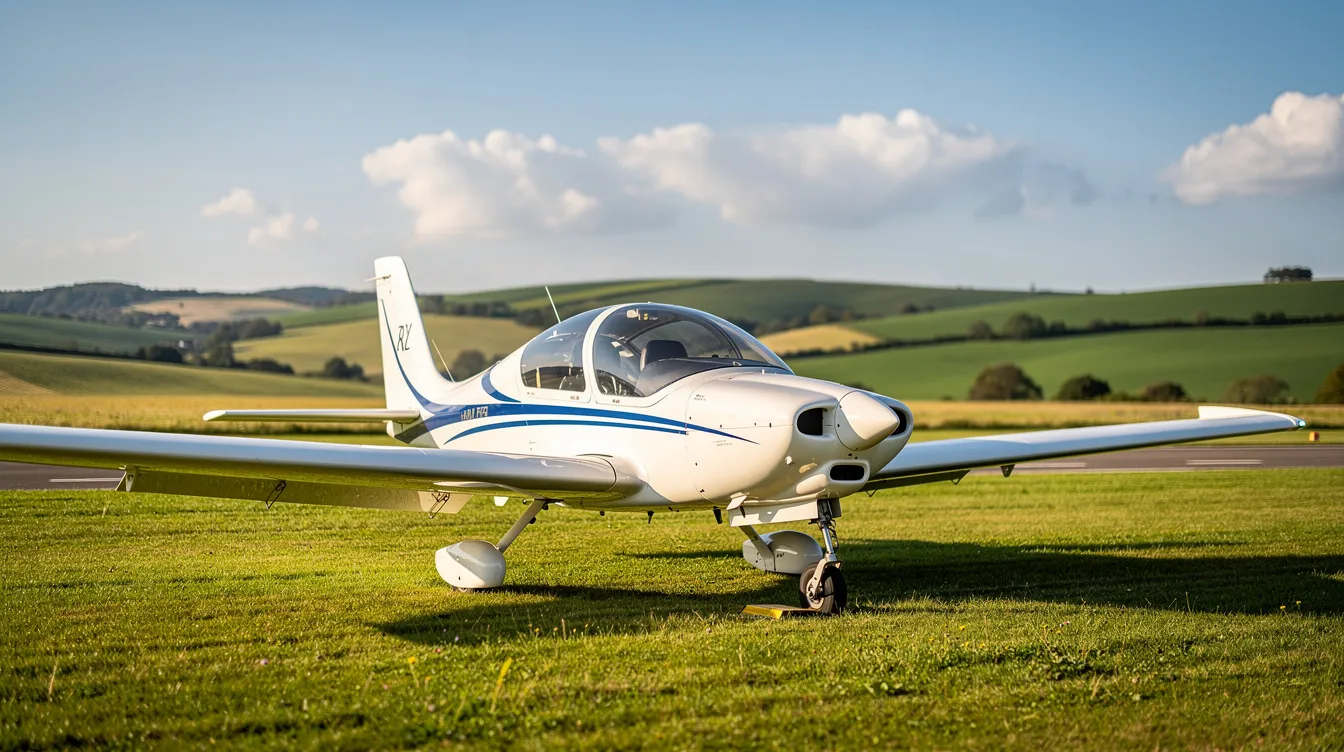
The light sport aircraft market has grown steadily since the Federal Aviation Administration created the LSA category in 2004. For prospective buyers, the range of options is wider than ever, from efficient cross-country cruisers to amphibious adventure planes. But the real question is whether owning one makes financial and practical sense for the way you actually fly.
This guide is for prospective buyers, pilots, and travelers considering sport light aircraft ownership or alternatives. Understanding the sport light aircraft market helps buyers make informed decisions and avoid costly mistakes.
This guide covers specific aircraft models, real price ranges, pre-purchase inspection steps, and the regulatory details that matter when shopping for sport light aircraft for sale. It also explores when on-demand charter through a platform like Jettly delivers more value than tying up capital in a single airplane.
A light sport aircraft is a specific FAA category (introduced in 2004) with strict limits: maximum 1,320 lb takeoff weight for landplanes, 120-knot cruise speed, two seats, and fixed landing gear. These constraints keep acquisition and operating costs below most general aviation alternatives.
Buyers can find used sport light aircraft for sale from the mid-2000s onward, typically priced between USD $60,000 and $350,000 depending on model, age, hours, and avionics. Popular choices include the Tecnam P2002, ICON A5, Pipistrel Virus SW, Flight Design CTLS, and Bristell.
Annual operating costs for a typical LSA run $14,000 to $30,000, including fuel, insurance, hangar fees, and engine reserves. Lower fuel consumption (often 4 to 6 gallons per hour) is a core advantage over standard general aviation planes, but ownership still demands budgeting for ongoing operational expenses.
Many travelers researching LSA purchases discover that on-demand charter through Jettly's marketplace of 20,000+ aircraft provides private travel flexibility, higher speed, and weather capability without the fixed costs of ownership; this is especially true for people flying fewer than 80 to 100 hours per year.
The rest of this article covers aircraft examples, cost ranges, inspection tips, regulatory issues (including the FAA's MOSAIC rule), and when charter is the more practical choice.
A light sport aircraft is not simply any small plane. It is a defined regulatory category established by the Federal Aviation Administration in 2004. Under the original rules, an LSA must weigh no more than 1,320 pounds at maximum takeoff (1,430 lb for seaplanes), carry no more than two people, use a single reciprocating engine, have a fixed-pitch propeller, and cruise no faster than 120 knots calibrated airspeed. The stall speed in clean configuration cannot exceed 45 knots. Landplanes must have fixed landing gear.
Common LSA configurations span four broad types. High-wing trainers (like the Tecnam P92) offer stability and good cockpit visibility for early flight training. Low-wing cruisers (such as the Pipistrel Virus SW) trade some visibility for aerodynamic efficiency and speed. Taildraggers appeal to bush-flying enthusiasts and pilots who prefer more demanding ground handling. Amphibious LSAs, like the ICON A5, can operate from both water and land, often with folding wings for trailering.
The LSA category has evolved since its 2004 debut. Factory-built Special Light Sport Aircraft (S-LSA) grew steadily from around 2005 through 2015, with modern examples featuring glass cockpits and Rotax 912 series engines. By mid-2026, the FAA's MOSAIC (Modernization of Special Airworthiness Certification) rule expanded the range of aircraft sport pilots can operate, allowing retractable gear and controllable-pitch propellers on aircraft meeting new performance limits under §61.316.
The main appeal of LSAs is accessibility. They require simpler licensing compared to traditional aircraft. Light Sport Pilots must be at least 17 years old. A valid driver's license can serve as medical certification instead of an FAA medical exam. Training requires a minimum of 20 hours of flight time, and pilots must pass a written knowledge test. Fuel burn is low; most Rotax-powered LSAs consume 4 to 6 gallons per hour of avgas or mogas, making LSAs lighter and more responsive than heavy legacy aircraft while keeping direct operating costs down.
Three sub-categories matter for buyers. S-LSA (Special Light Sport Aircraft) are factory-built and certified by the manufacturer, which generally makes registration, insurance, and resale smoother. Experimental Light-Sport Aircraft (E-LSA) allow owner maintenance and modifications, but logbooks and condition inspections carry more weight during resale. Experimental/amateur-built LSAs sit outside the factory-support ecosystem, often with lower resale values and tighter insurance options. When shopping for sport light aircraft for sale, understanding which category an airplane falls into directly affects your financing, insurance premiums, and maintenance privileges.
LSAs offer real freedom for owner-pilots, but they cannot match the range, speed, cabin space, or weather capability of chartered light jets and turboprops. For travelers whose priority is getting from point A to point B quickly and reliably, platforms like Jettly provide access to a broader class of aircraft that fly higher, faster, and in conditions no LSA can handle.
This section covers concrete examples of light sport aircraft models commonly listed for sale between 2020 and 2026, with typical asking prices, performance data, and realistic use cases. Pre-owned LSA prices can vary widely depending on hours and equipment, so every range below reflects actual market listings rather than manufacturer MSRPs.
Tecnam has been one of the most prolific LSA manufacturers in the world. The P2002 averaged a sold price of roughly $148,080 in the trailing twelve months through Q3 2026, a jump of about 60.4% year over year. Early 2010s models with higher airframe hours commonly list between $80,000 and $120,000, while mid-generation units (2014 to 2018) sit around $100,000 to $180,000. Newer 2023 to 2024 builds with full glass panels push above $200,000 in some listings. Cruise speed is approximately 110 to 115 knots. Tecnam's deep parts network and presence in European and North American training fleets make these aircraft relatively easy to support and resell.
The ICON A5 occupies a unique niche. Delivered from about 2016 onward, used units typically list between $255,000 and $375,000, with a median asking price around $315,000 as of late 2026. Low-hour 2022 to 2023 examples with autopilot and Garmin G3X Touch avionics command the top of that range (around $350,000), while older 2017 to 2019 units with 400 or more hours trade in the mid-$200,000s. The A5 cruises at roughly 84 knots, burns about 5 gallons per hour from its Rotax 912iS engine, and carries a useful load of approximately 430 pounds. Its folding wings allow trailering and garage storage. ICON has gone through repeated ownership changes and financial restructuring, so buyers should verify current factory support status before committing.
Pipistrel's Virus SW is one of the fastest factory LSAs. Used listings range from about $105,000 to $206,000, with a median asking price near $149,000. Late-model 2022 to 2023 builds approach $190,000 to $200,000. The Virus SW cruises at roughly 147 knots TAS on a 100-hp Rotax engine, burning 5.6 to 7 gallons per hour. Annual operating costs for 100 hours of flying run approximately $14,400 to $30,800 depending on hangar location and insurance. The Alpha Trainer, Pipistrel's dedicated training platform, lists lower, often in the $90,000 to $130,000 band for mid-age examples.

Several other small plane manufacturers offer competitive LSAs. Evektor SportStar and EuroStar models use simple steel-tube and composite construction with Rotax power; resale values tend to be lower because of age and fewer factory updates, but parts availability remains solid in Europe and the U.S. Flight Design CTLS and CTLSi units from the mid-2000s sometimes sell in the $60,000 to $110,000 range, while newer CTLS and Bristell models with glass panels reach $150,000 to $250,000 or more. The Remos GX occupies a similar segment. Not all LSAs require the same level of maintenance due to various manufacturer support levels, so researching a specific maker's service network matters as much as the sticker price.
As an example, a 2012 Flight Design CTLSi with under 1,000 hours total time on the airframe, dual glass displays, and ADS-B Out, based in Florida in 2025, is listed at approximately $185,000. That price reflects mid-life hours, modern avionics, and a well-documented maintenance history. Light sport aircraft are available for sale online through specialized aviation marketplaces, making it possible to compare dozens of listings across models and years before visiting a single airport.
When two similar light sport aircraft for sale appear at different prices, the gap usually comes down to a few factors:
Total time on airframe and engine. A Rotax 912 with 200 hours to go before its 2,000-hour TBO is worth less than one with 1,500 hours remaining. Engine reserve costs for a Virus SW, for instance, run about $11 per flight hour based on a $22,000 overhaul.
Avionics fit. Legacy steam gauges versus full glass (Garmin G3X, Dynon SkyView) and whether an autopilot is installed can shift asking prices by $20,000 to $50,000.
Damage history and quality of repairs. Any hull or structural repair, especially on composite airframes, reduces value unless documentation is thorough.
Category: S-LSA, E-LSA, or experimental. S-LSA aircraft attract more buyers, more lenders, and lower insurance premiums. E-LSA and experimental builds trade at a discount.
The operational characteristics of LSAs can vary greatly based on their intended use; a high-speed cross-country cruiser like the Virus SW and a recreational amphibian like the ICON A5 serve different missions at different price points. The SC07 Speed Cruiser, for example, is designed for easy access to the cockpit and quick ground handling, reflecting how LSA manufacturers tailor designs to specific pilot needs. Aerocet, a leader in aerospace design and manufacturing, produces float systems that expand the water-operations market for several LSA types.
Light aviation popularity is increasing; some industry projections suggest 50% of people may use light aviation in 15 years, driven by lower barriers to entry and evolving aircraft technology. For historical context, Clyde Cessna built his first plane in 1911 and later flew over the Mississippi River and Rocky Mountains, launching a legacy that produced the Cessna 172, a popular light aircraft model that sits just outside the LSA weight class but shares the same spirit of accessible personal flight.
Buyers who primarily want private transportation rather than hands-on piloting should note that chartering through Jettly in a light jet or turboprop delivers far higher speed and comfort than any light sport aircraft. A hop from Los Angeles to Las Vegas or New York to Boston takes under 90 minutes in a chartered jet versus three or more hours in an LSA, with no fuel stops, no weather limitations, and no hangar to manage. For a broader look at how much a private jet costs overall and for more on how charter costs break down, Jettly publishes detailed pricing guides.
This section walks through the practical steps of evaluating sport light aircraft for sale: what you will pay upfront, what you will pay every year, and what to check before signing anything.
The purchase price of a used LSA spans a wide band. Older mid-2000s units with high hours and analog panels sometimes start at $50,000 to $80,000. Mid-age examples from 2010 to 2018, often with updated avionics and moderate time, sit in the $100,000 to $180,000 range. Nearly new or premium-equipped LSAs (late-model Virus SW, ICON A5, high-end Tecnam) reach $200,000 to $350,000 by 2026. LSAs offer lower purchase, fuel, and maintenance costs than standard general aviation aircraft, but even the entry-level end requires meaningful capital.
Purchasing LSAs enables access to recreational flying with lower operating costs, but budgeting for ongoing operational expenses is essential. For a Pipistrel Virus SW flown 100 hours per year, annual costs break down roughly as follows:
|
Expense Category |
Approximate Annual Cost |
|---|---|
|
Fuel (5.6–7 gph × 100 hrs) |
$4,200–$6,300 |
|
Engine reserve ($11/hr) |
$1,100 |
|
Annual inspection |
$800–$1,500 |
|
Insurance (hull + liability) |
$2,000–$5,000 |
|
Hangar or tie-down |
$3,000–$12,000+ |
|
Oil, tires, misc. parts |
$500–$1,000 |
|
Total |
$11,600–$26,900 |
Hangar and tiedown availability are important considerations when purchasing an aircraft; in congested metro areas, waitlists for covered hangar space can stretch six months or longer. Insurance costs vary by model and pilot experience. For an ICON A5 with a $350,000 hull value, annual premiums for a qualified pilot run $11,000 to $15,000; less experienced pilots pay more. Insurance underwriters often require transition training for LSAs before issuing policies, particularly for amphibious and taildragger types.
Not all lenders are comfortable with LSAs. S-LSA aircraft generally qualify for aviation loans from mainstream lenders. E-LSA and experimental builds may require cash purchases or specialized lenders willing to underwrite aircraft outside the certified category. Buyers should line up financing pre-approval before making offers.
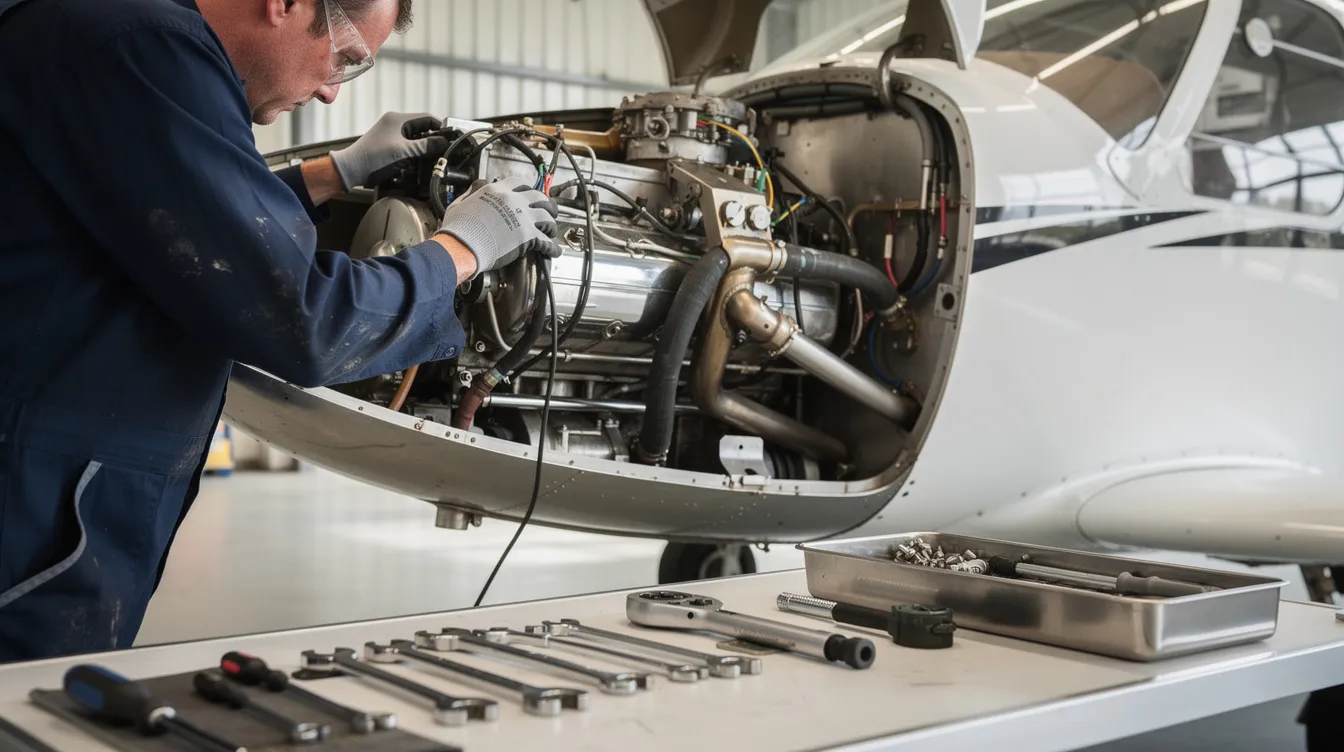
Requesting independent pre-buy inspections is crucial before purchasing an aircraft. Hire an A&P mechanic or Light Sport Repairman with Maintenance (LSRM) rating who has hands-on experience with the specific make and model, not the seller's maintenance shop.
The inspection should cover:
Logbook review from first flight to present, including compliance with manufacturer safety directives, Rotax service bulletins, and any Airworthiness Directives. Check the tail number against FAA registration records to verify ownership history.
Airframe condition: corrosion (especially on amphibious or coastal-based aircraft), composite delamination, cracks, control-surface play, and proper rigging. On composite planes, tap-testing and visual inspection under good lighting are standard.
Engine-specific checks: remaining time to TBO on the Rotax 912/914/915, evidence of proper fuel type usage (mogas vs. avgas), oil analysis history, gearbox inspection records, and any major work like top overhauls. The Rotax 912 series engines are commonly used in light sport aircraft and have a typical TBO around 2,000 hours or 12 to 15 years, whichever comes first.
Avionics: ADS-B Out compliance, transponder certification, GPS database currency, and whether the panel meets the buyer's minimum requirements for the way they plan to fly.
Buyers in the U.S. need at least a Sport Pilot certificate (or a higher certificate such as Private Pilot) and must operate within light sport limits: daytime VFR only, no flight in Class A airspace, restrictions on certain airspace without appropriate communication equipment. Some countries treat light sport differently. International buyers must check local civil aviation authority rules before importing or operating a purchased aircraft; weight limits, noise standards, and certification acceptance vary by jurisdiction.
Check accident and incident history for the specific model using NTSB and FAA databases. Some LSA types have known issues; for example, amphibious models carry elevated risk profiles related to water operations and hull integrity. Insurance requirements typically include minimum pilot experience thresholds, often 25 to 50 hours in type for single-owner personal use policies. Resale risk is real: niche models with limited buyer pools (high-end amphibians, rare experimental builds) can sit on the market for months. That illiquidity is a hidden cost of ownership.
For pilots who want hands-on flying and are willing to manage hangars, maintenance, and regulatory compliance, owning a light sport aircraft can be deeply rewarding. The freedom to fly on a clear morning without booking anything is hard to replicate.
For business travelers, families, and people who value predictable door-to-door time savings, chartering through a platform like Jettly often delivers more value per flight hour than tying up $150,000 or more in a single plane, especially when using instant-book marketplaces such as Zenflight-style private jet operators accessible through the platform. The math is straightforward: if your annual flying is under 80 to 100 hours and your trips involve weather-sensitive routes or passengers beyond one, charter wins on flexibility, speed, and total cost.
Many visitors researching "sport light aircraft for sale" are less interested in owning an airplane and more interested in flexible, private air transportation. That is where a digital charter broker like Jettly becomes relevant.
Jettly is a global digital private jet charter marketplace offering access to over 20,000 aircraft operated by certified third-party carriers, with instant pricing and on-demand booking across 186 to 190 countries, partnering with branded operators such as Dexter Air Taxi in different regions. Jettly is a charter broker, not an aircraft operator; flights are operated by regulated carriers holding FAA Part 135, EASA, or equivalent certifications, similar to other providers featured in industry-wide guides to charter airlines and private flights.
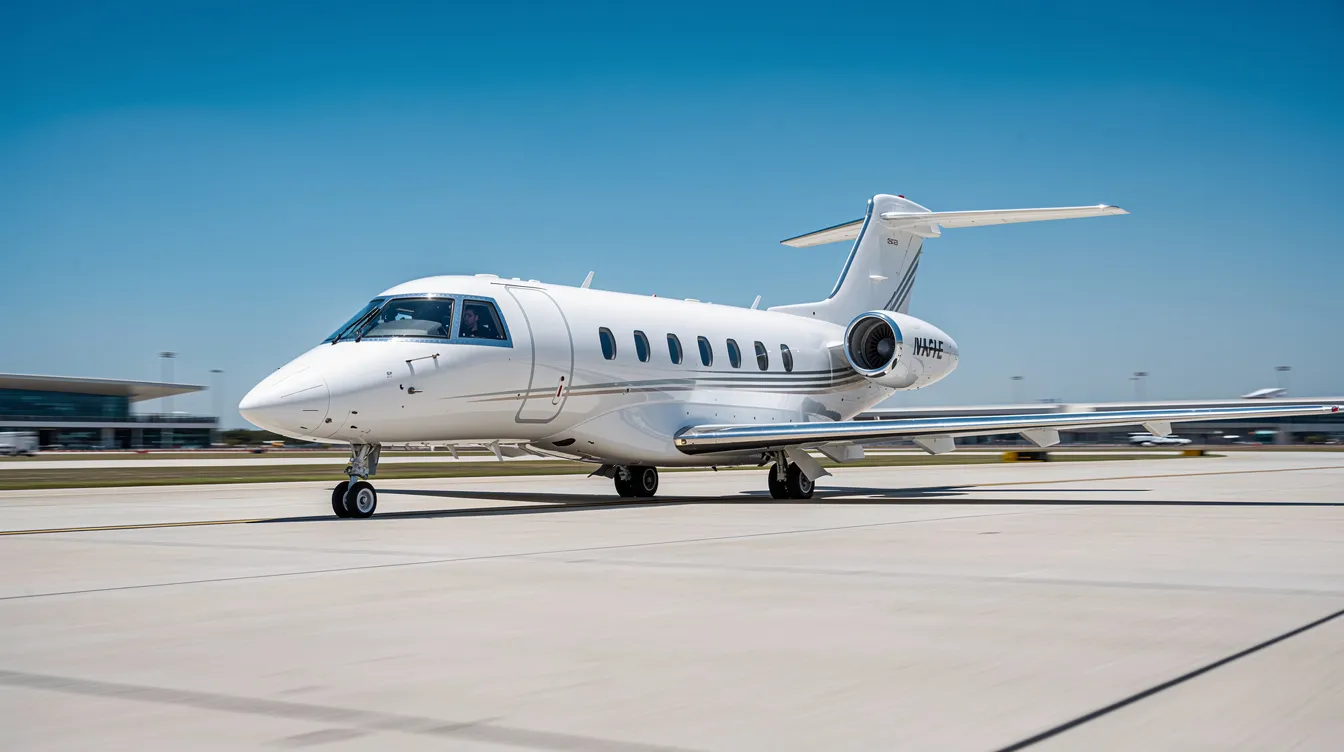
LSAs carry one to two passengers plus light baggage, cruise around 84 to 147 knots depending on model, and operate mainly in good daytime weather. Jettly connects travelers to light jets, midsize jets, turboprops, and helicopters capable of flying at 300+ knots, at higher altitudes, in instrument conditions, with full cabins, Wi-Fi, and cargo space that no LSA can match, whether you prefer shared charter flights or full private charters depending on budget and privacy needs.
On routes like New York to Miami, Toronto to Vancouver, Los Angeles to Aspen, or London to Nice, an LSA would require multiple fuel stops, low-altitude exposure to weather, and flight times measured in full days rather than hours. A chartered light jet covers New York to Miami in roughly 2.5 hours, and travelers planning cross-border trips should understand how private jets fly internationally, including customs and overflight rules. Short hops like LA to Las Vegas or Dallas to Houston, where some people consider recreational LSA flights, are still faster and more schedule-flexible in a chartered turboprop or jet, especially if you use platforms that let you crowdsource private jet flights and share empty seats to reduce per-passenger costs.
Instant online quotes show available aircraft options and price ranges without negotiating individually with operators. Readers can use Jettly's charter cost estimator or Jet Card flight cost estimator to compare routes and aircraft classes in seconds.
Membership options for frequent flyers offer more predictable pricing compared with pay-per-flight charter. Jettly's Jet Card programs are designed for this use case, and some membership tiers reduce commissions and cap rates for repeat travelers.
Category comparison allows travelers to weigh light jets vs. turboprops vs. midsize jets based on comfort, baggage, runway length, and cost, selecting the right aircraft for each specific trip without committing to ownership of any single plane. Travelers who are still scanning the market can review the best private jet charter companies to understand how different providers structure their services.
Pilot-owners can still enjoy LSAs for weekend flying and recreational freedom while relying on Jettly for time-critical or weather-sensitive trips. The two options complement each other. Tools such as Jettly’s airport locator platform also make it easier to match charter-capable airports to your typical routes. To explore Jettly's aircraft charter options or get an instant quote, visit https://www.jettly.com.
Below are common questions that buyers and travelers ask when evaluating light sport aircraft ownership against charter alternatives. For a broader industry picture beyond Jettly’s own services, you can also look at a comprehensive list of charter airlines and private flight options, which explains how various operators and platforms fit into the market.
A light sport aircraft is a defined regulatory category with strict limits on weight (maximum 1,320 pounds for landplanes), speed (120 knots max cruise), seating (two people), and configuration (fixed landing gear, unpressurized cabin, single engine). "Light aircraft" is a broader, informal term covering many small general aviation planes, including models like the Cessna 172, Piper PA-28, and Beechcraft Musketeer, most of which exceed LSA weight or speed limits. A Cessna 172, for example, has a max takeoff weight around 2,550 pounds, nearly double the LSA cap.
A rough rule of thumb: ownership economics begin to favor buying at around 80 to 150 flight hours per year. Below that threshold, fixed costs (hangar, insurance, annual inspections, engine reserves) dominate the per-hour cost, often making charter or flying club membership more cost-effective. To understand charter economics in more detail, review Jettly’s guide on affordable private jet charter pricing. Compare your estimated annual hours and typical destinations against charter quotes from Jettly to see which option delivers better value for the way you actually travel.
In most jurisdictions, light sport aircraft are intended for personal and training use. You cannot operate an LSA as a commercial air carrier to transport paying passengers. For business travel, chartering through a broker like Jettly is more appropriate because flights are operated by certified commercial carriers with aircraft, crew, schedules, and safety oversight designed for that purpose. Travelers comparing models like NetJets and other fractional programs can also look at Jettly as a NetJets alternative. Learn more about how air charter works for business and leisure trips.
Safety depends on pilot training, maintenance quality, adherence to operating limits, and equipment. Several LSA models (certain Pipistrel and Flight Design types) include airframe parachute systems as standard or optional equipment. Modern glass avionics improve situational awareness. Buyers should research accident statistics for the specific model they are considering using NTSB and FAA databases, and prioritize aircraft with thorough maintenance records and up-to-date safety modifications. The project of evaluating safety is model-specific, not category-wide.
Two primary paths exist. First, you can learn to fly and rent LSAs or other training aircraft from a local flight school or club; this lets you build experience and find the right team of instructors before committing capital to a purchase. Second, you can use on-demand charter via a platform like Jettly to gain private travel flexibility without pilot training, ownership, or any of the problems associated with aircraft management, drawing on strategies for getting a seat on a private jet easily through memberships, empty legs, and shared options.
Sport light aircraft for sale can suit pilots who want hands-on recreational flying and are prepared to manage purchase costs, maintenance, insurance, and storage. Before buying, compare aircraft by mission, verify records, and arrange an independent pre-buy inspection. Ownership is not the only route to private aviation, however. For travelers who prioritize speed, flexibility, and access to more aircraft types, Jettly offers on-demand charter options through certified third-party carriers. Compare the time and total cost involved with your typical trips, then choose the option that fits how you actually fly.
Ready to explore private travel without buying an aircraft? Compare flight options or request an instant quote at https://www.jettly.com.
Share this post:
Jay Franco Serevilla
Nov 15, 2026
|
5
min read
Discover tips and trends in the industry.

5
min read
Flight Time From NY to London: What to Expect on Commercial and Private Jets
The flight time from New York to London typically ranges from 6.5 to 7.5 hours for commercial flights, while private jets can complete the journey in about 6 to 7 hours. Factors such as jet stream conditions, airport choice, and aircraft type significantly influence travel times. This guide provides insights into optimizing your trip, whether flying commercially or privately.
Read More
5
min read
How Far in Advance Should I Book a Flight? (Private & Commercial)
Understanding how far in advance to book a flight is crucial for travelers. For commercial flights, the ideal booking window is typically 1 to 3 months ahead, while private jet charters can often be arranged closer to departure. Factors like destination, seasonality, and route type significantly influence the best time to secure your tickets.
Read MoreStay updated with our latest insights and tips to elevate your journey with us.
MEMBERSHIPS AND ASSOCIATIONS



© 2026 Jettly Inc. All rights reserved.
Disclaimer: Jettly operates as a charter broker, offering access to a global digital jet charter marketplace. Jettly is not a direct air carrier and does not own or operate aircraft. All advertised flights are conducted by third-party air carriers that are fully licensed and hold the appropriate Part 135 or Part 121 certifications issued by the Federal Aviation Administration (FAA) or equivalent regulatory authorities under U.S. or foreign law. Jettly complies fully with the U.S. Department of Transportation's Part 295 and Part 298 Charter Broker regulations. Jettly does not carry additional liability insurance. Passengers are covered by aircraft operator insurance. TICO: 50023770


