



Login
Get Instant Pricing On 23,000+ Aircraft

>
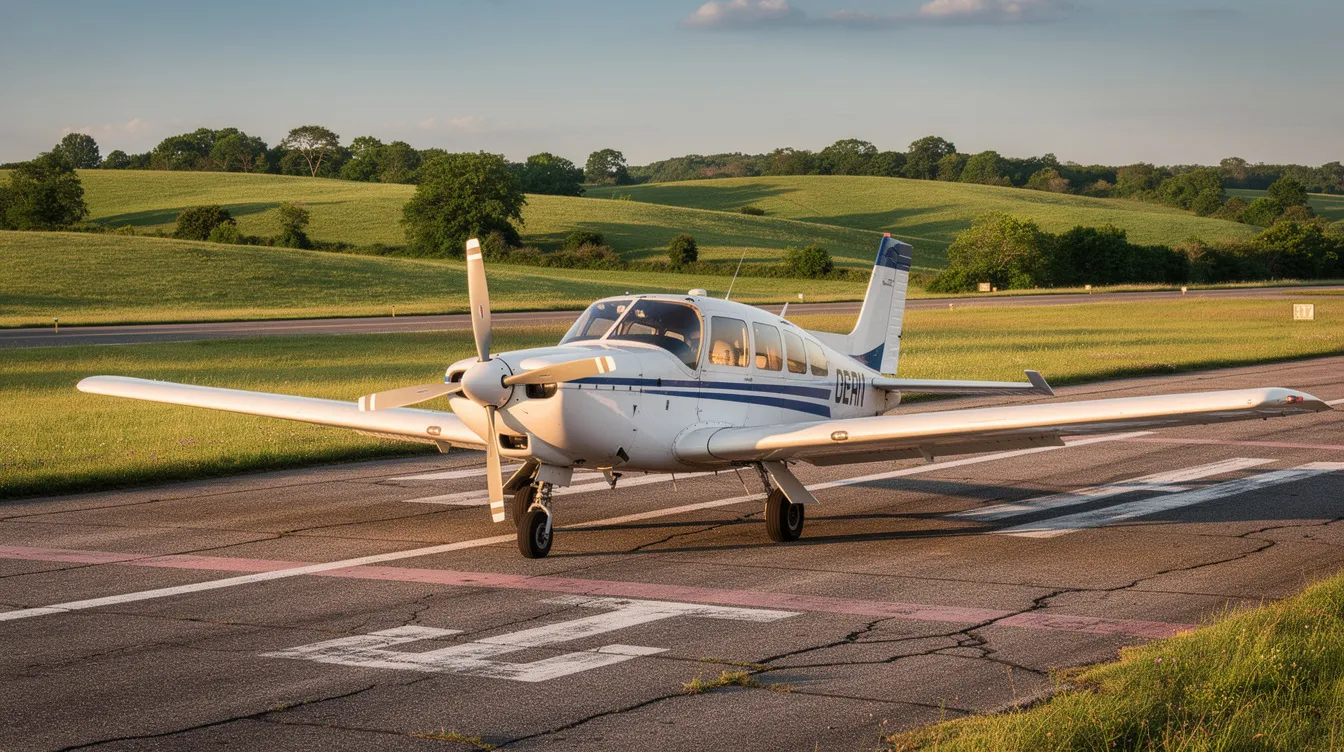
A typical four-seater plane for sale ranges from about $30,000 (older Cessna 172) to $600,000+ (new Cirrus SR22 or Piper Matrix), but the purchase price is only part of the total cost.
Fixed costs (hangar, insurance, annual inspections) and variable costs (fuel, maintenance, engine reserves) can reach $15,000 to $40,000+ per year for private aircraft ownership.
Four-seat piston aircraft occupy a different tier than very light jets and light jets; entry-level personal jets start at $2.5 million new, with fuel costs of $1,800 to $4,500 per hour and maintenance reserves of $800 to $2,200 per flight hour.
Ownership makes financial sense around 150 to 200 flight hours per year. Below that threshold, chartering a private aircraft through a digital platform like Jettly avoids capital outlay and fixed costs while delivering the same schedule control.
Jettly connects travelers with over 20,000 aircraft worldwide, letting customers access four-seater planes, turboprops, or light jets on demand without long-term commitments.
A four-seater plane is typically a single-engine piston aircraft designed to carry a pilot plus up to three passengers with baggage. These airplanes form the entry point to private aviation for families, owner-pilots, and small businesses looking for direct airport access without commercial airlines.
These aircraft sit at the sweet spot of general aviation: 2 to 4 passengers, 400 to 1,000 NM range, and cruise speeds from 105 to 180 knots depending on model. Aircraft useful load is typically calculated as maximum gross weight minus empty weight, and useful load is the maximum weight an aircraft can safely carry. That calculation matters because a four-seater aircraft often cannot carry four adults and full fuel simultaneously, something many first-time buyers overlook.
This guide compares buying a four-seater plane with chartering a private aircraft on demand through Jettly. All prices and example costs reference real market averages from 2022 to 2026 listings and manufacturer data from Cessna Aircraft Company, Piper, Cirrus, and Diamond.
The purchase price of a four-seater plane for sale typically ranges from about $30,000 for older airframes up to $600,000+ for late-model, low-time aircraft equipped with modern avionics. The headline price is only the start. Buyers must budget for taxes, pre-purchase inspections, avionics upgrades, and possible engine overhauls.
Pre-owned aircraft from 2018 and newer command 85 to 95% of new pricing. New models from manufacturers like Cirrus have delivery times of 12 to 36 months, pushing many buyers into the used market. The US market offers 15 to 25% better value than Europe or Asia for comparable airframes.
Financing options provide up to 80% loan-to-value for qualified buyers, with interest rates for aircraft loans ranging from 4.5 to 6.5%. Banks offer loans for aircraft with 700+ credit scores, and specialized finance companies offer terms of 5 to 20 years. Depreciation for new aircraft is 10 to 15% in the first year, which means buying a one- or two-year-old plane can save tens of thousands.
|
Price Bracket |
Typical Models & Age |
Cruise Speed |
Equipment Level |
|---|---|---|---|
|
Under $50,000 |
1960s-1970s Cessna 172, Piper Pacer PA-20 |
100-115 knots |
Basic analog instruments |
|
$80,000-$225,000 |
1980s-2000s Cessna 182, Piper Archer PA-28, Diamond DA40 |
120-145 knots |
Upgraded avionics, some glass |
|
$300,000-$800,000 |
Newer Cirrus SR20/SR22, Mooney Ovation Ultra, factory-new Cessna 172S |
150-180 knots |
Full glass cockpit, CAPS, IFR |
For a deeper breakdown of specific small plane pricing across categories, Jettly maintains a detailed reference.
Fixed and variable operating costs should be considered beyond the purchase price. Fixed costs are paid whether the plane flies or not. Variable costs scale with each flight hour.
Annual ownership costs range based on aircraft type and use. Here is what a Cessna 172 owner might expect at different usage levels, based on CRAFT operating cost data:
|
Annual Flight Hours |
Fixed Cost/Year |
Variable Cost/Hour |
Total Annual Cost |
Cost Per Hour |
|---|---|---|---|---|
|
50 hours |
~$17,300 |
~$172 |
~$25,900 |
~$518 |
|
100 hours |
~$17,300 |
~$172 |
~$34,500 |
~$345 |
|
200 hours |
~$17,300 |
~$172 |
~$51,700 |
~$259 |
The pattern is clear: owning a four-seater plane only reaches a reasonable per-hour cost at 150+ hours of annual flying. Below that, the fixed cost burden dominates. Actual spending programs for owning an aircraft should include both fixed and variable costs, mapped to realistic flight hours.
These expenses occur annually regardless of how often the private aircraft flies.
Hangar and tie-down:
Tie-down: approximately $76/month median in the US ($50 to $125 range)
T-hangar: approximately $268/month median ($170 to $371 range)
Box hangar: approximately $403/month median ($251 to $595 range)
Metro airports in the northeastern US can exceed $1,000/month
At the high end, hangar rental costs for larger aircraft can reach $25,000 to $100,000 annually, particularly for jet-class hangars.
Insurance:
Basic liability: $500 to $800/year for simple four-seater pistons
Full hull plus liability: $1,200 to $3,000+/year for higher-value aircraft like a Cirrus SR22
Annual insurance costs for personal jets climb to $25,000 to $150,000, a different category entirely
Annual inspections:
The FAA requires an annual inspection for all certificated aircraft. Base inspection fees for a four-seater run between $300 and $500, but once labor, parts, and discrepancies are added, a typical annual runs $1,500 to $2,400 for fixed-gear pistons. Cirrus SR22 annuals cost $3,200 to $5,400 before discrepancy repairs.
Variable costs are calculated per flight hour and shaped by aircraft type, engine condition, and fuel prices.
Fuel burn examples (at ~$7.50/gallon Avgas):
Cessna 172 or Piper Archer: 8 to 10 gallons/hour; ~$60 to $75/hour in fuel
Cessna 182 or Mooney Ovation: 12 to 15 gallons/hour; ~$90 to $112/hour in fuel
Cirrus SR22: approximately 13.7 gallons/hour; ~$103/hour in fuel
Fuel burn and range are critical considerations for trip planning. A 400 NM trip in a Cessna 172 burning 9 gallons per hour at 120 knots takes about 3.3 hours and costs roughly $250 in fuel alone.
Maintenance and engine reserves:
Routine maintenance on a four-seater plane costs $20 to $40 per flight hour. Piston engines usually require an overhaul every 1,800 to 2,200 hours, costing $30,000 to $50,000. Setting aside $25 to $50 per hour for engine reserve is prudent. Total variable non-fuel costs often reach $60 to $80 per hour.
For comparison, fuel costs for personal jets range from $1,800 to $4,500 per hour, and maintenance reserves cost between $800 and $2,200 per flight hour. Articles like Jettly's overview of the best fractional jet ownership companies show how buyers sometimes step up from pistons directly into shared jet solutions rather than full aircraft ownership. That gap explains why many travelers flying under 100 hours per year find that chartering through Jettly is cheaper on a fully loaded basis than owning even a small private plane.
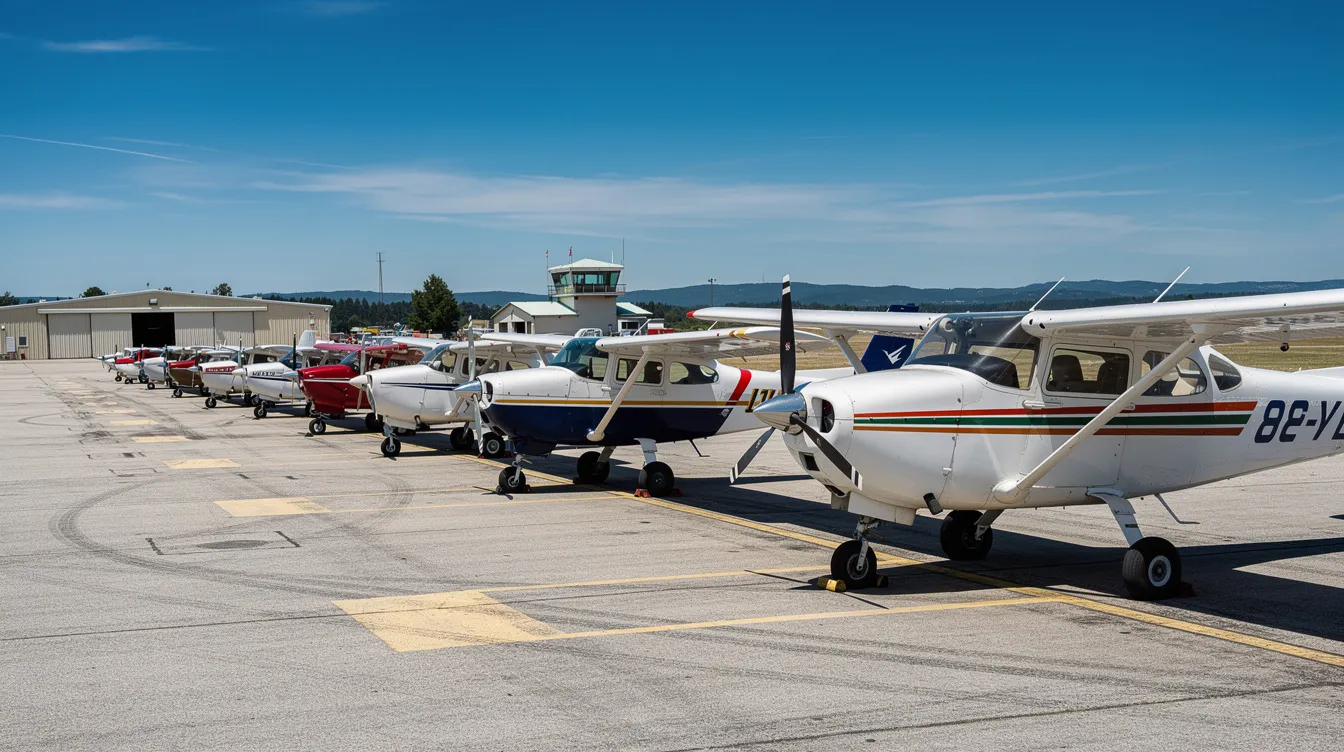
Certain four-seater models dominate listings on platforms like Controller and Trade-A-Plane because of their reliability, parts availability, and training heritage. Aircraft selection should prioritize models with established reputations and service support. Many four-seater planes are actually designed for fewer than four full-sized adults due to weight limits, so matching the aircraft to its intended mission profile and usage matters.
These two model families are the most common four-seater planes pilots consider. Cessna and Piper aircraft have strong maintenance networks and parts availability across North America.
Cessna 172 Skyhawk prices start at $30,000 for 1960s airframes. Newer 1990s to 2010s examples run $120,000 to $300,000 depending on avionics and engine time.
Piper Pacer PA-20 costs around $40,000 on the used market.
Piper Archer PA-28 starts at $115,000 for well-maintained examples.
Cruise speeds land around 105 to 125 knots with range in the 500 to 700 NM region, making them suitable for regional missions: weekend trips, flight training, and short-range business visits to airports that commercial airlines do not serve. For a full comparison of entry-level options, see Jettly's guide to the best 4-seater plane for the money.
These higher-performance four-seater aircraft feature glass cockpits, advanced safety systems, and IFR capability that bridges the gap between classic piston planes and very light jets.
Cirrus SR20 and SR22 models cost around $165,000 for early-2000s examples. Mid-2010s SR22s run $450,000 to $750,000. Used SR22T G7 models from 2025 are listed above $1.3 million.
Diamond DA 40 is priced at $225,000 for early production units, climbing to $500,000 for newer airframes.
Mooney Ovation Ultra commonly runs $400,000 to $800,000 pre-owned.
Cruise speeds reach 150 to 180 knots with a range of 700 to 1,100 NM. Modern avionics suites (Garmin G1000/G3000-class systems) and the Cirrus Airframe Parachute System give these aircraft a capability closer to entry-level business aviation than to basic trainers.
Buyers evaluating a four-seater plane for sale sometimes also consider very light jets and light jets. The cost gap between these categories is large.
Entry-level personal jets start at $2.5 million new. Very light jets like the Eclipse 550 or Cirrus Vision Jet seat 4 to 6 passengers, cruise around 300 to 350 knots, and reach a maximum altitude above 28,000 feet. For readers comparing options beyond four-seat pistons, Jettly's guide on how much a private jet costs breaks down purchase, operating, and charter economics in detail. New jet delivery times range from 12 to 36 months. Operating leases for jets require monthly payments between $25,000 and $75,000.
Light jets such as the Cessna Citation CJ3 or Embraer Phenom 300 carry 6 to 8 passengers with 1,400 to 2,000 NM range. Purchase prices start at $4 million. Annual fixed costs for light jets run roughly $487,000 per year, and total cost at 100 flight hours can reach $8,310 per hour.
A Cirrus SR22 owner flying 200 hours per year pays roughly $260 per hour all-in. A light jet owner at the same hours pays ten times that. The piston wins on cost. The business jet wins on speed, cabin comfort, weather flexibility, and altitude. For many travelers, chartering a 4-passenger private jet through Jettly captures the jet's benefits without the jet's ownership burden, and Jettly's guide to affordable private jet charter pricing explains how to manage total trip costs across aircraft categories.
Many people searching "4 seater plane for sale" could achieve the same travel benefits by chartering through Jettly without tying up capital, especially after reviewing Jettly's comparison of the best private jet charter companies and platforms.
Ownership begins to pay off financially around 150 to 200 personal flight hours per year for a four-seater piston. Below 100 hours annually, on-demand charter often wins on total cost because the owner still pays hangar, insurance, and annual inspections whether the plane flies or not, a pattern echoed in Jettly's breakdown of fractional jet ownership costs versus alternatives.
A privately owned four-seater delivers schedule control and airport access comparable to charter, but it also requires personal attention to maintenance, regulatory compliance, and, if the owner is not a pilot, hiring a professional crew. Chartering through Jettly can also upgrade passengers into larger aircraft; a light jet, midsize jet, or turboprop is available when the mission profile demands it, instead of being locked into a single four-seater aircraft, much like the flexibility highlighted in Jettly's review of fractional private jet ownership pros and cons.
Jettly operates as a charter broker with a global marketplace of private aircraft, delivering business aviation benefits without the purchase or ongoing fixed costs. Its private jet membership plans give frequent flyers structured access to wholesale charter pricing and other benefits. For a detailed comparison of fractional ownership, jet cards, and charter, Jettly's analysis covers each model side by side, and travelers who prioritize predictable hourly rates can consider Jettly's jet card programs for frequent flyers.
Jettly is a digital private aviation platform that connects travelers with 20,000+ aircraft, including four-seater planes, very light jets, turboprops, and larger private jet categories, all accessible through its private charter aircraft platform.
Users search routes, see instant pricing, and request specific aircraft sizes. Someone needing a four-seater piston for a short 300 NM hop can book that; someone needing a light jet for a faster 800 NM business trip can book that too. No long-term contracts. No capital tied up in an owned plane and hangar.
Flights are operated by certified third-party air carriers that meet applicable safety regulations, including FAA Part 135 charter operators discussed in Jettly's guide to how Part 135 charter companies work. Jettly focuses on transparent pricing, digital booking, and customer support. Learn how the booking process works or request an instant quote at https://www.jettly.com.

Four-seater planes occupy an important space between personal recreation flying and full-scale private jet usage. Personal jets save 2 to 3 hours per business trip compared to commercial alternatives. Personal jets access over 5,000 airports worldwide, most of which have no commercial service and no air traffic control tower delays, which is why many travelers compare NetJets-style programs with on-demand alternatives like Jettly's NetJets competitor model for flying private.
Business trip scenario: A regional sales manager flies 400 NM round-trip site visits twice monthly. By commercial airlines, each trip requires driving to a hub airport, clearing security, connecting through a hub, then renting a car at the destination; door-to-door time runs 8 to 10 hours. In a four-seater plane departing from a local GA airport, the same trip takes 4 to 5 hours door-to-door. That is a full working day recovered per trip.
Family and personal use: Weekend trips to vacation homes, landing at smaller GA airports closer to final destinations, and sightseeing flights are common reasons families explore owning or chartering a plane for a family of 4.
Schedule control is the central advantage over commercial flying. Owners and charter customers depart when they choose, not when an airline posts a departure, especially when using tools like Jettly's airport locator for nearby GA fields to optimize routing and ground time.
Four-seater aircraft delivered since the mid-2000s carry modern avionics similar to those found in larger aircraft. Safety features and avionics have advanced to include synthetic vision, integrated autopilots, traffic and terrain awareness (ADS-B In/Out), and datalink weather. Personal jets have accident rates 85% lower than general aviation overall, and much of that improvement comes from these systems.
Airframe parachutes can enhance safety on certain modern aircraft. The Cirrus CAPS system, for example, has been credited with over 100 saves in loss-of-control or engine-failure scenarios. Glass cockpits from Garmin and Avidyne replace six or more analog gauges with two large screens, reducing pilot workload.
Cabin comfort in a four-seater is smaller than a private jet, but many new models offer leather interiors, climate control, USB power, and noise-reduction features that make 2 to 3-hour flights comfortable. The gap between a 1970s Cessna 172 with basic analog instruments and a 2024 Cirrus SR22 G7 with a full glass cockpit is comparable to the gap between a flip phone and a smartphone.
Environmental responsibility is part of any private aircraft purchase decision. Direct flights reduce fuel consumption by 25 to 40% compared to commercial aviation's hub-and-spoke routing on equivalent short-haul distances. Modern jets offer 90% lower emissions per passenger-mile than commercial flights when measured on thin, point-to-point routes with high load factors.
Efficient four-seater piston aircraft burning 8 to 10 gallons per hour with three or four passengers aboard can match or beat the per-passenger fuel efficiency of a half-empty regional jet on routes under 500 NM. Direct routing and landing at smaller airports reduce total trip distance, cutting both time and fuel, and similar efficiencies can be approached when selecting right-sized aircraft from Jettly's private charter aircraft marketplace.
Ongoing research into unleaded Avgas alternatives and hybrid-electric trainer aircraft may reshape the four-seater market by the late 2020s. Jetly customers can choose more efficient aircraft types for specific trips and may integrate carbon offsetting programs through operators who offer them, similar to the sustainable practices discussed across its guide to global charter airlines and private operators.
To fly as pilot-in-command of a four-seater plane in most jurisdictions, a private pilot license (PPL) with appropriate ratings is required at minimum. Training typically involves 40 to 70 flight hours and ground school. Non-pilots can still benefit from four-seater aircraft by hiring a professional pilot to fly their owned plane, or by chartering a similar aircraft through Jettly, where certified crews are provided with every flight.
Checking the aircraft's logbooks is essential before purchasing a used aircraft. Comprehensive reviews are needed for aircraft history, including total airframe time, engine time since overhaul, avionics suite, accident records, and corrosion history. Do not focus on purchase price alone.
Pre-purchase inspections should be conducted by independent mechanics familiar with the aircraft model. Use recent comparable sales data from platforms like PlaneSnipe or Trade-A-Plane to determine whether the asking price aligns with market trends. Google the aircraft's tail number to check for public FAA records and accident reports.
For flyers logging fewer than about 100 flight hours per year, chartering is usually more economical because they avoid fixed costs like hangar, insurance, and annual inspections. At 50 hours per year in a Cessna 172, all-in cost per hour can exceed $500.
Jettly's on-demand marketplace lets customers pay per trip, accessing four-seater aircraft or light jets only when needed. Those considering a more structured access model can use the jet card flight cost estimator alongside Jettly's charter cost estimator to compare specific routes against ownership projections.
Many four-seater aircraft handle cross-border flights between the US and Canada or within the EU, provided they meet equipment and regulatory requirements and stay within range limits. Their limited speed and payload make them less practical for long-distance international production schedules.
For longer routes, turboprops or jets are available through Jettly's marketplace without requiring a second aircraft purchase, similar to the diverse fleets covered in Jettly's guide to leading private and charter airlines worldwide.
With proper maintenance and periodic engine overhauls, a four-seater airframe can remain airworthy for several decades. Many Cessna and Piper models from the 1960s and 1970s are still flying today with active annual inspections. Avionics upgrades and corrosion control are key to preserving value and ground safety. Buyers should weigh upgrade costs against chartering more modern aircraft through Jettly when needed.
A 4-seater plane for sale can be a practical tool for owners flying 150 to 200+ hours per year who want operational flexibility and direct access to thousands of airports. Total cost of ownership, from purchase price through fixed and variable costs, should always be weighed against charter alternatives.
Four-seater aircraft fit between personal piston planes and very light jets or light jets in the broader business aviation landscape. Modern avionics and safety systems have raised their capability to the point where a well-equipped SR22 or DA40 handles serious cross-country missions that once required a business jet. Compare private jet costs to see how aircraft categories differ.
For travelers flying fewer than 100 hours annually, or for those who want access to different aircraft sizes trip by trip, chartering through Jettly removes the capital and compliance burden entirely. Ready to experience private travel on your terms? Explore flight options or request a quote.
Share this post:
Jay Franco Serevilla
Nov 26, 2026
|
5
min read
Discover tips and trends in the industry.
5
min read
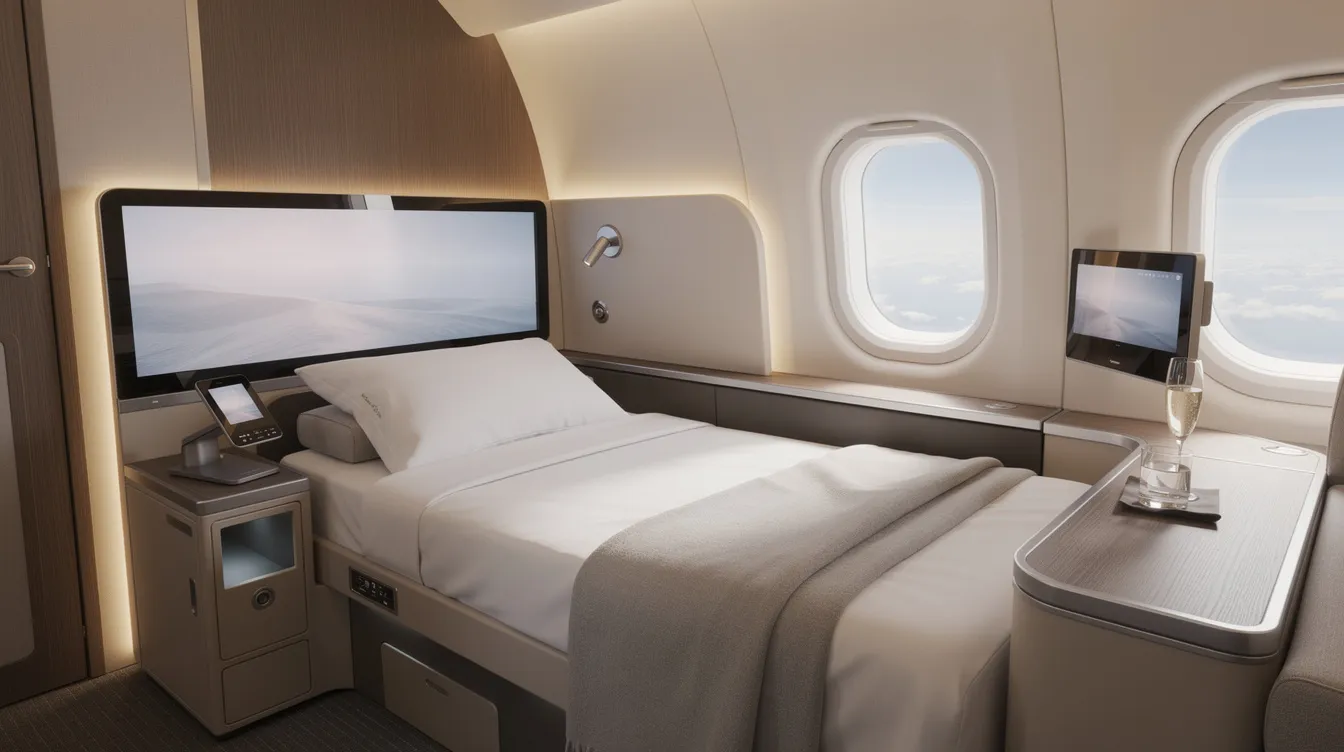
First Class Air Travel: What It Is, Who It Suits, and How It Compares to Private Jets
This guide explores the nuances of first-class air travel compared to private jet charters. It highlights the benefits of first class, including luxury amenities and priority services, while also discussing when private jets may offer better value, especially for groups. Factors like route length, traveler numbers, and privacy preferences are key in making the right choice.
Read More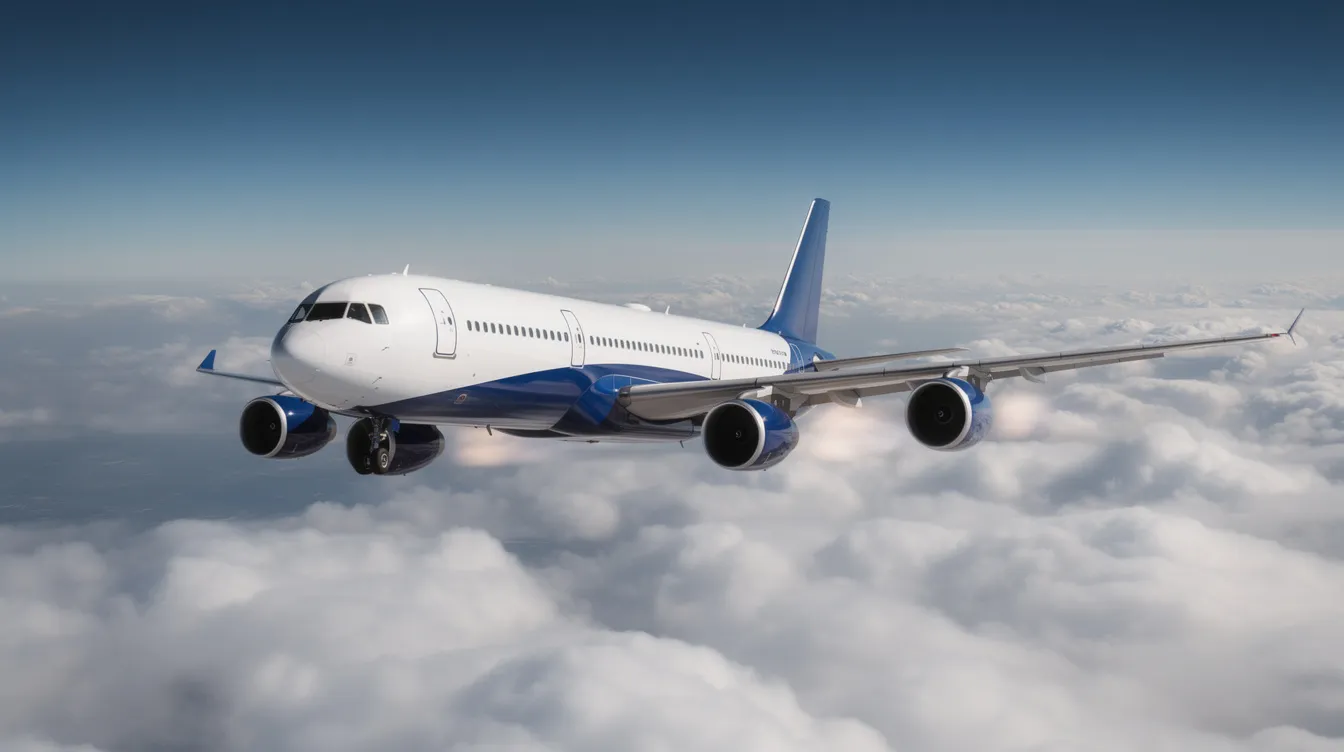
5
min read
How Fast Does Air Force One Travel? A Practical Speed & Travel Guide
Air Force One, primarily the VC-25A, typically cruises at speeds of 575-580 mph, with a maximum speed of around 630 mph. Its travel time is influenced by factors like air traffic control priority and atmospheric conditions, making it competitive with commercial flights. The upcoming VC-25B is expected to maintain similar speeds while improving efficiency and technology.
Read MoreStay updated with our latest insights and tips to elevate your journey with us.
MEMBERSHIPS AND ASSOCIATIONS



© 2026 Jettly Inc. All rights reserved.
Disclaimer: Jettly operates as a charter broker, offering access to a global digital jet charter marketplace. Jettly is not a direct air carrier and does not own or operate aircraft. All advertised flights are conducted by third-party air carriers that are fully licensed and hold the appropriate Part 135 or Part 121 certifications issued by the Federal Aviation Administration (FAA) or equivalent regulatory authorities under U.S. or foreign law. Jettly complies fully with the U.S. Department of Transportation's Part 295 and Part 298 Charter Broker regulations. Jettly does not carry additional liability insurance. Passengers are covered by aircraft operator insurance. TICO: 50023770


