



Login
Get Instant Pricing On 23,000+ Aircraft

>
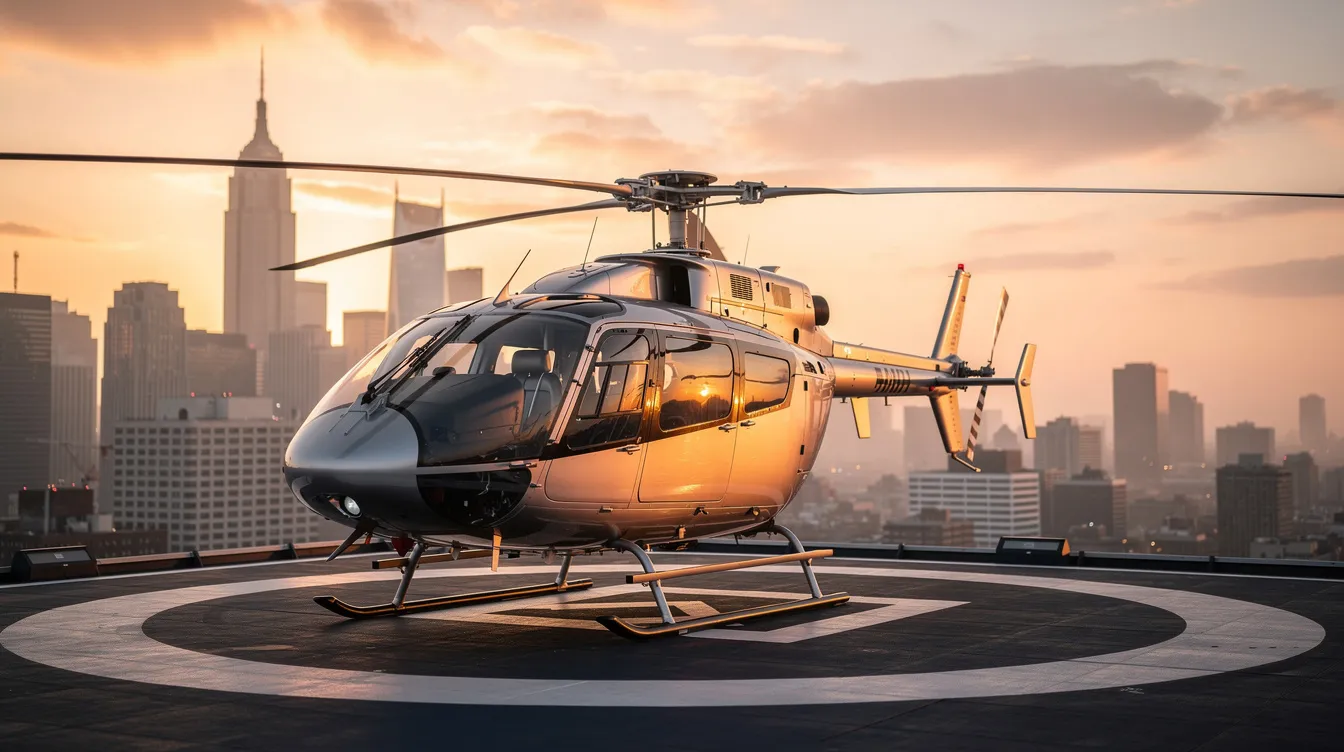
Helicopter insurance cost is one of the most significant recurring expenses in rotorcraft ownership and operations. This guide is designed for helicopter operators, owners, and charter clients seeking to understand and manage insurance expenses.
Whether someone flies a Robinson R44 on weekends or manages a fleet of air ambulance helicopters responding to emergencies across multiple states, understanding how premiums are calculated-and what drives them up or down-is essential for sound financial planning. This article breaks down cost ranges, coverage types, and practical strategies for operators, owners, and charter clients in 2026.
Helicopter insurance averages around $13,000 per year for private operations, but commercial and air ambulance missions can push annual premiums well above $100,000. Helicopter insurance costs approximately 2% to 5% of the aircraft's insured value annually, depending on mission profile and risk factors.
Air ambulance insurance is distinct from operator aviation policies. Air ambulance insurance provides crucial financial protection in emergencies for patients and families, while operator policies protect the aircraft, crew, and company from liability. Life flight costs range from $12,000 to $25,000 without insurance coverage, and costs can increase significantly without insurance coverage in place.
The main cost drivers include aircraft value, mission type (private, offshore, sightseeing, or air ambulance services), pilot experience, claims history, and geographic or airspace risk. Insurance companies evaluate the intended use of the helicopter when determining premiums.
Emergency medical helicopter operations carry specialized risks-night flying, remote landings, medical equipment on board-and require higher, more complex liability limits than typical private use. Over 550,000 patients use air ambulances annually worldwide.
Charter clients using Jettly's marketplace do not purchase hull or liability insurance themselves. All flights are operated by certified third-party carriers with appropriate coverage. Explore insured helicopter and fixed-wing charter options at Jettly.
Helicopter insurance is a bundle of policies covering hull damage (the aircraft itself), liability (third-party bodily injury and property damage), passenger liability, and optional endorsements such as war risk, crew coverage, or medical equipment protection for air ambulance aircraft. Hull coverage pays to repair or replace a helicopter that is damaged or destroyed, while liability insurance covers bodily injury and property damage to third parties in helicopter operations.
This is different from patient-facing air ambulance insurance coverage or health insurance, which are designed to protect patients or families from medical transport expenses-not aircraft damage. Air ambulance coverage may include medical transport services, but it sits on a completely separate layer from the operator's aviation policy.
Owners and operators-including air ambulance operators-purchase aviation insurance. Charter passengers on platforms like Jettly do not, but should verify their operator carries appropriate insurance coverage. Regulators and airports often require proof of minimum liability limits before an operator can fly commercial charter or emergency missions under Part 135 or equivalent certifications.
Costs vary widely. Here are concrete 2026 ballpark annual premiums for the U.S. market:
|
Operation Type |
Typical Annual Premium |
Common Liability Limits |
|---|---|---|
|
Private piston, light helicopter (<$500K hull) |
$5,000–$15,000 |
$1–5 million |
|
Private turbine single engine |
$12,000–$35,000 |
$2–10 million |
|
Charter, tour, or air taxi |
$30,000–$100,000+ |
$5–25 million+ |
|
Air ambulance / HEMS |
$75,000–$300,000+ |
$25–50 million+ |
Higher hull values and complex operations significantly increase insurance premiums. For example, a private R44 valued at $400,000 with $1M liability might cost roughly $6,200 per year, while an MD-500 in utility work with a $1.8M hull and $5M liability runs approximately $28,500 per year. Commercial operations carry much higher insurance premiums due to increased risk exposure.
Insurers typically rate hull premiums as a percentage of insured value. For low-risk private use, hull rates often fall around 0.9%–1.5% of agreed value. Higher liability limits increase the cost of helicopter insurance premiums, and limits required by hospitals or government contracts can double or triple the liability portion.
Operators listing aircraft on Jettly's marketplace factor these insurance expenses into their hourly charter rates or use tools like Jettly's private jet charter cost estimator, so charter clients see a simple, all-in price rather than line-item premiums.
Factors influencing helicopter insurance include aircraft model, pilot qualifications, and intended usage. Here are the main rating factors:
Aircraft-related factors:
Piston helicopters generally have lower insurance costs than turbine helicopters
Hull value, age, avionics level, and safety equipment (HTAWS, autopilot, NVG compatibility)
Maintenance record and overhaul status
Pilot and crew factors:
Pilot experience, including total flight hours and time in specific make and model, influences insurance pricing
Instrument ratings, recurrent simulator training, and safety management certifications
Annual flight hours affect exposure and insurance premiums for helicopters
Mission profile:
Low-risk private or corporate shuttle vs. mountain flying, heli-skiing, sling-load, offshore oil and gas, firefighting, or 24/7 air ambulance response
Geography and base:
Geographic location affects insurance costs based on local weather and operating environments
Dense urban centers, mountainous terrain, and night operations carry higher premiums than low-density rural area operations
Claims history:
Claims and loss history can significantly impact the cost of helicopter insurance-even one hull loss or serious accident in the past five years can sharply increase premiums
Hull coverage: Available as ground-only or ground-and-flight. Can be agreed-value (pre-set payout for total losses) or actual cash value. For a $2.5 million twin-engine helicopter, hull coverage alone might cost $25,000–$75,000 annually depending on mission profile.
Liability coverage: Covers bodily injury and property damage to third parties. Typical per-occurrence limits range from $5 million for private use to $50 million+ for air ambulance or offshore operations. Contractual requirements from corporate or government clients often push limits higher.
Passenger liability: Covers passengers during sightseeing, corporate transport, and medical missions. Some policies use "smooth" liability without per-passenger sublimits; others specify per-seat amounts.
Medical payments coverage: Small, no-fault benefits for minor injuries without a full liability claim-especially relevant for scenic tours or heli-adventures.
Optional coverages: War and terrorism, search and rescue, crew loss of license, medical equipment coverage for air ambulance aircraft, and business interruption for charter operators.
Air ambulance helicopter operations-whether responding to a heart attack in a rural area or a serious accident on a remote highway-face unique risk profiles. Medical Air Service transports over 550,000 patients annually, and air ambulance costs range from $12,000 to $25,000 on average. Air ambulance pricing varies based on distance and medical needs.
Aviation insurance for an air ambulance operator covers the aircraft, crew, and liability. Separate air ambulance insurance or membership programs like those from SkyMed, which operates a network of over 2,000 aircraft worldwide, are intended to protect the patient financially. Policies typically include coverage for onboard medical equipment, cabin modifications, and specialized medical teams working around the clock.
Health insurance and travel insurance sometimes include air ambulance insurance coverage, but only when a medical director certifies the transport as medically necessary and pre-authorization is obtained. For more details on helicopter ambulance cost and how medical flights work, Jettly's platform can connect hospitals, insurers, and families with properly insured operators.
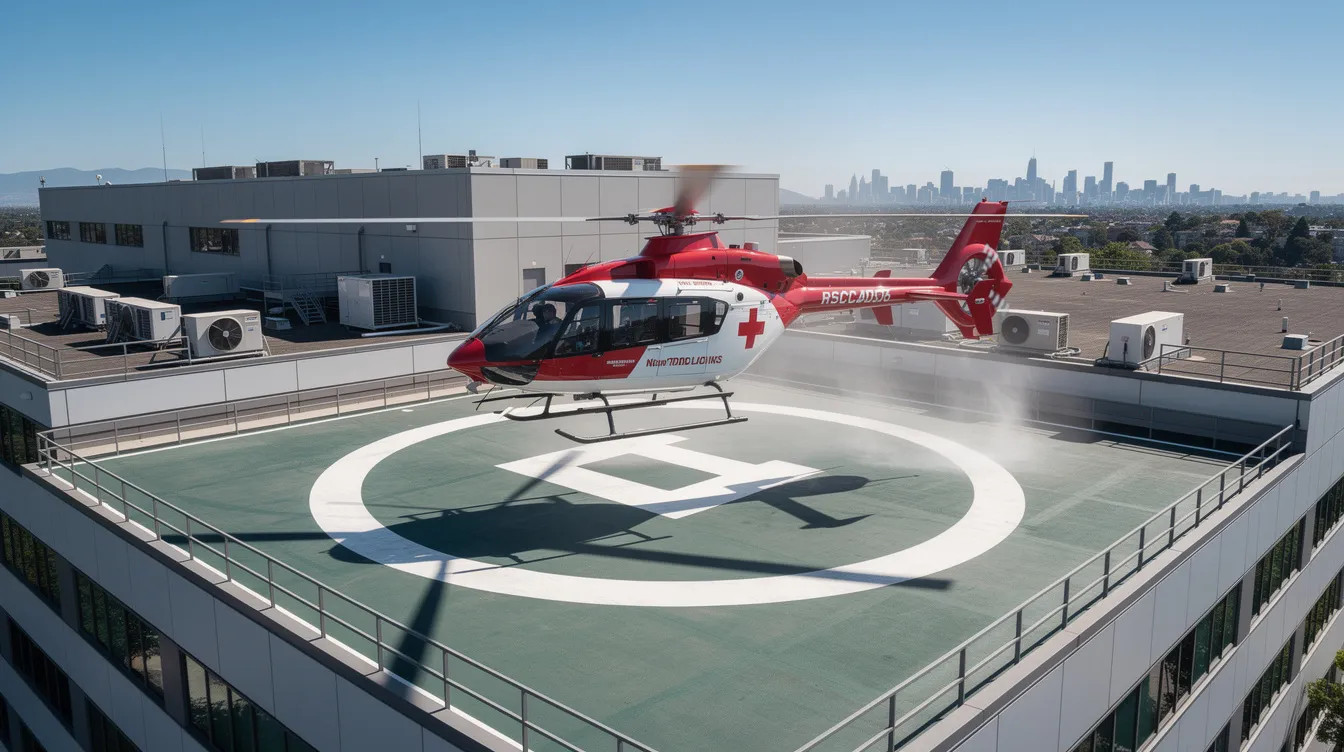
While this article focuses on helicopter insurance cost from an operator's perspective, patients and families also care about whether air ambulance costs are covered by their insurance policies. Understanding how different policy types play together is vital.
Health insurance: Many standard health insurance policies do not cover air ambulances. Those that do typically only cover medically necessary transports at in-network rates, potentially leaving patients exposed to large bills if the provider is out-of-network. Air ambulance services may require a letter of medical necessity.
Travel insurance: Some travel insurance plans used by international travelers add air ambulance insurance coverage for medical evacuation and repatriation, subject to strict conditions, maximum limits, and pre-approval requirements. Air ambulance coverage varies by insurance provider and country, and travelers may use tools like an airport locator and charter platform to plan routes to and from remote destinations.
Dedicated air ambulance membership: Companies like AirMedCare Network, with over 320 aircraft in the U.S., and Air Ambulance Card, which offers lifetime policies for air ambulance coverage, provide membership-based protection. Global Air Rescue covers medical expenses up to $1,000,000. Some policies cover medical expenses up to $1,000,000, offering significant financial protection against a hefty bill in a medical emergency, similar to how private jet membership programs spread aviation costs across frequent travelers.
Air ambulance insurance can cover medical expenses up to $1,000,000-a critical safety net given that a medical condition requiring emergency transport can otherwise leave a family facing pocket expenses of $25,000 or more. Fortunately, dedicated medical air insurance plans exist for travelers heading to remote areas or regions with limited hospital access. Consult your insurance company and review your plan details before high-risk travel, and consider dedicated coverage if local care quality is limited.
Invest in pilot training: Recurrent simulator sessions, instrument proficiency checks, and formal safety programs (SMS, FOQA-equivalent) demonstrate a strong safety culture to underwriters and can save money at renewal.
Upgrade avionics and safety equipment: HTAWS, ADS-B, and modern autopilots lower perceived risk and may qualify for rate credits.
Adjust mission mix: Reduce high-risk missions where possible, or segment the fleet so that riskiest work does not affect premiums on lower-risk aircraft. Some operators also experiment with crowdsourced and shared charter flights to keep load factors high while maintaining safe, insurable operations.
Hangar your aircraft: Helicopters stored in secure hangars typically have lower insurance rates than those exposed outdoors on tie-downs.
Maintain digital records: Thorough, digital maintenance logs and predictive maintenance tools can be shared with insurers during renewal discussions, a best practice also emphasized by NetJets-alternative private jet providers like Jettly seeking favorable underwriting terms.
Pursue third-party audits: Joining professional associations and undergoing safety audits (ARGUS, Wyvern, or regional equivalents) can improve underwriting terms-which in turn supports more competitive helicopter charter pricing and aligns helicopter operators with best practices followed by leading private jet charter companies.
Passengers rarely see "insurance" as a line item, but helicopter insurance cost is built into hourly charter rates and minimum flight times. Operators factor fixed annual expenses-insurance, hangar, crew salaries-into an hourly cost model, then add variable costs like fuel and landing fees. The result is the all-in rate shown in Jettly's instant-quote tool.
Higher-risk missions (night flying, remote landing sites, or medical standby) may carry higher minimums or surcharges because the underlying insurance premiums and liability limits are higher. Jettly's broad marketplace, covering more than 20,000 aircraft worldwide, lets customers compare helicopter, turboprop, and jet options side by side or use a jet card flight cost estimator to find the best balance of cost, speed, and suitability.
Learn more about Jettly's charter options at https://www.jettly.com. All flights are operated by properly certified third-party carriers with appropriate insurance coverage, and travelers can enhance their experience with services like Jettly Eats in-flight catering.
Insurers view helicopters differently from fixed-wing aircraft due to mission profiles, mechanical complexity, and operating environments. Helicopter insurance is 4 to 5 times more expensive than fixed-wing aircraft insurance for a comparable hull value, primarily because helicopters frequently operate at low altitude, near obstacles, and into improvised landing zones.
Fixed-wing air ambulance aircraft-King Air turboprops, light jets-may attract different rates due to longer cruise segments and use of paved runways, even when carrying similar medical crews and equipment. Jettly's platform helps decision-makers compare helicopter vs. turboprop vs. jet for routes like Los Angeles to Las Vegas or Geneva to Courchevel, weighing insurance-driven cost differences alongside runway access and time savings, and offers a catalog of private charter aircraft with varying operating and insurance profiles.
Anyone evaluating aircraft ownership vs. on-demand charter should factor in ongoing helicopter insurance premiums-not only acquisition price-when modeling total cost of ownership, especially if they frequently charter routes to aviation hubs such as Houston using local private jet charter services.

Accurate quoting requires detailed, honest operational data and usually takes several days during busy renewal seasons. Comparison of multiple insurance quotes is crucial for competitive pricing in helicopter insurance, just as comparing providers is essential when evaluating affordable private jet charter options.
Core information underwriters request:
Aircraft make, model, year, serial number, and hull value
Base airport, hangar vs. tie-down, planned annual flight hours
Primary mission profile and any secondary uses
Pilot data:
Licenses and ratings, total time and helicopter time, time-in-type
Accident or incident history and upcoming training plans for 2026–2027
Disclose planned air ambulance or emergency medical operations, night vision goggle use, offshore work, or other high-risk activities up front, particularly if your operation also supports high-traffic corridors near major hubs such as New Delhi private jet charter routes. Operators who plan to list their aircraft for charter on platforms like Jettly should ensure their insurance policy explicitly permits commercial charter under applicable regulations, similar to how private jet operators on Dexter Air Taxi and Jettly maintain compliant coverage.
Below are answers to common questions not fully covered above.
Some health insurance policies cover medically necessary air ambulance transport, but typically only when no suitable local care is available and the insurer pre-approves the event. Standard medical insurance often does not cover air ambulances.
Out-of-network providers, non-urgent transports, or flights signed off without insurer authorization may lead to partial or no reimbursement-leaving patients with large bills. Call your health insurer before high-risk travel to understand air ambulance benefits, exclusions, and whether board-approved membership programs are worth adding to your budget.
In typical charter scenarios, the aircraft operator-not the passenger-carries hull and liability insurance, and those expenses are embedded in the charter price. Passengers may still want personal travel insurance or accident coverage for additional peace of mind, especially on international trips or adventure itineraries across the globe.
Understanding how private jets fly internationally and associated regulatory requirements can influence insurance decisions. Jettly functions as a charter broker and works only with properly certified third-party carriers that maintain required insurance coverage.
Air ambulance missions often involve night flying, adverse weather, remote landing sites, and time-critical decision-making-including rapid response to strokes, cardiac events, or trauma-all of which increase risk from an underwriter's perspective. Policies must also cover the medical director and staff on board, specialized equipment, and higher liability limits required by hospitals and regional health systems.
These higher insurance costs contribute to the elevated service price of medical transports compared with standard corporate or sightseeing flights, but they are part of a broader charter landscape that also includes a wide range of private charter airlines offering varying safety standards and cost structures.
Many insurance providers offer fleet policies covering helicopters, turboprops, and jets under one program, with the company network pricing influenced by combined loss history and safety standards, much like jet card programs for private jets bundle multiple aircraft types under unified terms.
Mixed-fleet operators may benefit from economies of scale, but a poor safety record in one part of the fleet can still affect overall premiums. Operators should discuss fleet structure and mission segmentation with a specialized aviation insurance broker to optimize terms and access the right level of care for each aircraft type, just as travelers weigh different ways to buy a seat on a private jet when optimizing their own travel budgets.
Jettly does not sell helicopter insurance or air ambulance insurance directly. Its platform connects clients only with licensed operators that carry required aviation insurance coverage, removing the guesswork for travelers.
By comparing multiple operators for a route-helicopter vs. jet vs. turboprop-clients can indirectly benefit from operators whose efficient insurance and safety management practices lead to more competitive charter pricing in the world of private aviation, similar to how consumers evaluate different ways to get a seat on a private jet easily.
Helicopter insurance cost depends on more than an aircraft’s value. Intended use, pilot experience, annual flight hours, claims history, liability limits, and operating location all affect premiums. Private owners, commercial operators, and air ambulance providers should compare multiple insurance quotes and confirm that each policy matches the aircraft’s actual mission.
Patients and families should separately review health, travel, or air ambulance membership terms, since coverage and eligibility vary. For charter clients, the operator—not the passenger—typically arranges aircraft insurance, and the cost is reflected in the quoted fare.
Jettly is a charter broker connecting travelers with properly certified third-party carriers; it does not sell aviation or air ambulance insurance. Explore Jettly’s charter options or request a quote.
Share this post:
Jay Franco Serevilla
Nov 18, 2026
|
5
min read
Discover tips and trends in the industry.
5
min read
What Is the Best Fighter Plane in the World?
The best fighter plane in the world is often debated, with the F-22 Raptor frequently cited for its air superiority capabilities. However, the F-35 Lightning II excels in multirole operations, while emerging contenders like the J-20 and Su-57 showcase advanced technologies. Ultimately, the 'best' fighter depends on mission requirements and operational context.
Read More
5
min read
How Fast Is Mach 10 Speed? (Top Gun: Maverick, Hypersonic Flight & Reality)
Mach 10 speed, approximately 7,670–7,826 mph, is firmly in the hypersonic realm, far beyond any crewed aircraft capabilities. While films like Top Gun: Maverick depict thrilling Mach 10 flights, no human has ever flown at this speed, with the current record being Mach 6.7. Real-world aviation prioritizes safety and efficiency over extreme speeds, focusing on practical travel solutions.
Read MoreStay updated with our latest insights and tips to elevate your journey with us.
MEMBERSHIPS AND ASSOCIATIONS



© 2026 Jettly Inc. All rights reserved.
Disclaimer: Jettly operates as a charter broker, offering access to a global digital jet charter marketplace. Jettly is not a direct air carrier and does not own or operate aircraft. All advertised flights are conducted by third-party air carriers that are fully licensed and hold the appropriate Part 135 or Part 121 certifications issued by the Federal Aviation Administration (FAA) or equivalent regulatory authorities under U.S. or foreign law. Jettly complies fully with the U.S. Department of Transportation's Part 295 and Part 298 Charter Broker regulations. Jettly does not carry additional liability insurance. Passengers are covered by aircraft operator insurance. TICO: 50023770


