



Login
Get Instant Pricing On 23,000+ Aircraft

>
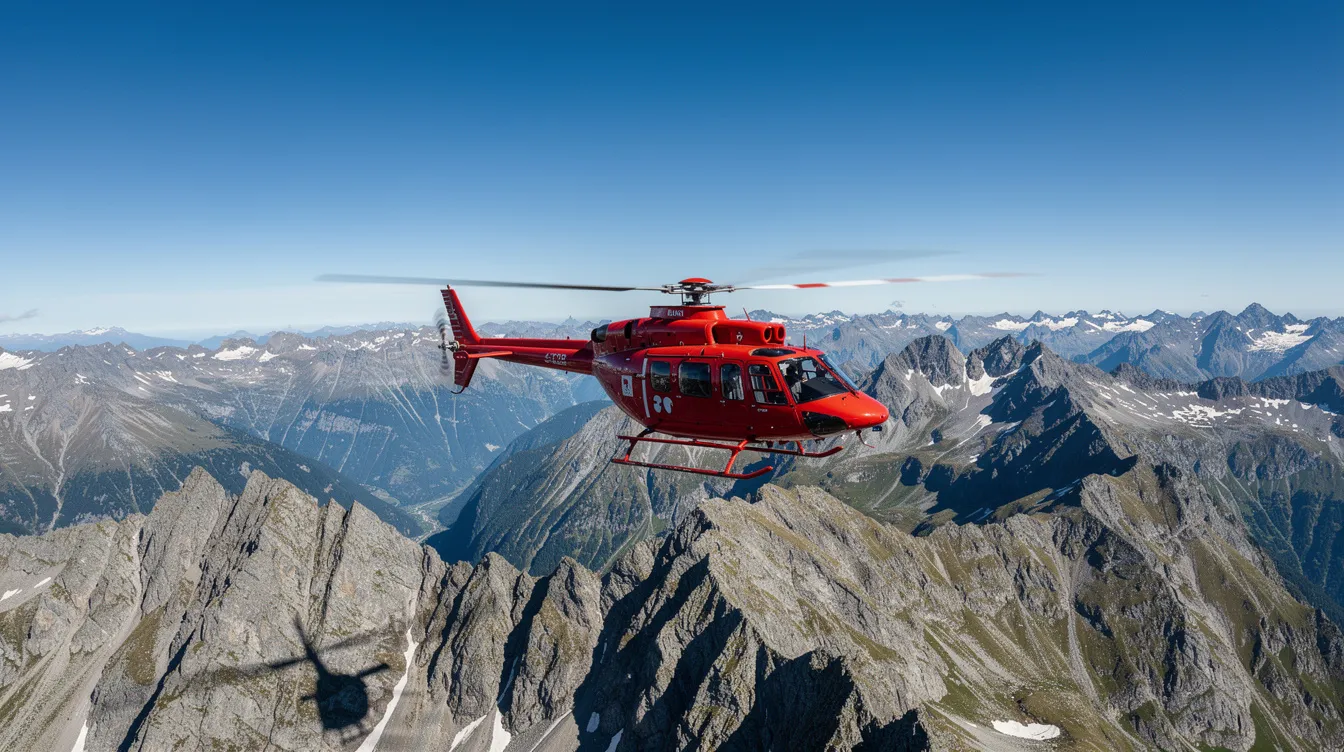
Few people expect to need a helicopter rescue. But every year, thousands of hikers, climbers, skiers, and backcountry travelers find themselves in exactly that situation-injured on a remote trail, lost in bad weather, or facing a medical emergency miles from the nearest road. The question that follows the rescue is often just as jarring as the emergency itself: how much does a helicopter rescue cost?
The answer depends on who shows up, where you are, and whether the flight is classified as search and rescue or medical transport. This guide breaks down the real numbers, explains who sends the bill, and covers what you can do ahead of time to protect yourself financially.
Most search and rescue operations in the U.S. are free to the person being rescued, funded by taxes, donations, and volunteers. The bill comes when a private helicopter ambulance or life flight service handles the medical transport leg.
Helicopter rescue costs in the U.S. can range from a few thousand dollars to tens of thousands of dollars, with the GAO reporting a median billed price of roughly $36,400 for a domestic helicopter medevac.
Location matters enormously: a rescue in a national park may cost you nothing for the search phase, while the subsequent ambulance ride to a hospital could generate a five-figure invoice from a private air ambulance provider.
Rescue insurance, life flight memberships, and proper health insurance coverage can dramatically reduce out-of-pocket exposure. Reading the fine print before you need it is the point.
Jettly focuses on private charter and urgent same-day travel-not emergency SAR-but the cost structures of helicopters overlap, and understanding both helps travelers plan smarter.
For most people, the realistic billed range for a helicopter rescue involving medical transport in the United States falls between $10,000 and $40,000, with extreme or remote cases exceeding $65,000. These figures refer mainly to the medical helicopter transport portion, not volunteer or government-run search and rescue.
Here are some typical figures to expect:
A backcountry airlift in Idaho or Washington State can run in the mid-$60,000 range total, with health insurance covering a fraction and a rescue membership potentially covering the rest.
Urban or suburban medevac flights typically land in the $20,000–$30,000 range for shorter distances.
A ground ambulance ride from a landing zone to the hospital adds $500–$3,000 depending on distance and care level.
Public SAR coordination by a sheriff's office, Coast Guard, or National Park Service is usually free to the rescued party.
Rescue coordination by public agencies is funded by taxpayers and rarely results in a bill. But once a private or hospital-based helicopter takes over for medical transport, commercial air ambulance companies charge market rates, and invoices arrive weeks later. Billing practices vary by county, state, and country-some regions treat helicopter rescues as a free public safety service, while others can legally recover costs in cases of negligence.
For comparison, non-emergency helicopter charter pricing is quoted upfront per flight hour, and tools like Jettly's private jet charter cost estimator let travelers forecast door-to-door flight expenses with no surprise medical billing involved.
"Helicopter rescue" can mean several different operations, each with different funding sources and billing rules. Understanding the distinction matters more than most people realize.
Volunteer search and rescue team missions: Groups like Seattle Mountain Rescue operate without charging for rescues. Local SAR teams are staffed largely by trained volunteers and funded through donations and county budgets.
Government-run SAR (National Park Service, Coast Guard, military): Federal agencies generally absorb SAR costs. The Coast Guard emphasizes it does not bill individuals to avoid deterring distress calls.
Hospital-based helicopter ambulance ride or life flight: These are operated by for-profit or nonprofit companies and almost always generate a bill, even when insurance covers part.
Private contract helicopter evacuations: Used in remote areas or overseas, these are arranged through brokers or insurance providers with varying pricing structures.
Coordination centers like the U.S. Air Force Rescue Coordination Center often task military or state aircraft at no cost to the survivor, then hand the person off to a medical operator that bills separately. The search phase may be free; the transport phase rarely is.
Platforms like Jettly operate in the private charter space-not 911 dispatch-using similar private charter aircraft (helicopters, turboprops, light jets) under clear, upfront pricing rather than post-rescue medical billing.
|
Rescue or transport scenario |
Typical cost or billing outcome |
|---|---|
|
Public search and rescue |
Usually free to the rescued person; commonly funded by taxes, donations, or volunteers |
|
Helicopter medical transport |
Often tens of thousands of dollars; costs can exceed $30,000 once medical transport begins |
|
Airlift Northwest transport with insurance |
Average out-of-pocket cost is about $750–$1,000, depending on the insurance plan |
|
Out-of-bounds rescue at Bogus Basin |
$1,000 per hour |
|
Negligent rescue in New Hampshire |
Charges can reach $9,100 |
|
Remote or unusually complex airlift |
May exceed $40,000, with some reported cases reaching $65,000 or more |
Concrete numbers help anchor expectations. Here are scenarios drawn from real-world cost patterns:
Washington State backcountry airlift: A heli rescue from a remote trail can run in the mid-$60,000 range. Rescue insurance may cover most of the gap after a small insurance payment. Airlift Northwest, one of the region's major providers (also known as Airlift NW), performs roughly 4,000 airlifts annually.
Airlift Northwest medevac: A typical transport runs around $20,000, plus a $2,000 ground ambulance ride to the emergency room. With insurance, out-of-pocket airlift costs average $750 to $1,000.
Ski resort out-of-bounds rescue: Bogus Basin in Idaho charges $1,000 per hour for out-of-bounds helicopter search and rescue on its leasehold terrain.
Highway emergency landing cleanup: A DOT bill for infrastructure support after an emergency landing can add $1,000–$2,000 for cleanup and traffic management.
Base "per flight hour" rates for medical helicopters in North America often fall in the $5,000–$15,000 range before dispatch, crew, medical equipment, and landing fees are added. Helicopter operating costs alone can range from $1,200 to over $3,000 per hour depending on the aircraft type, similar to how affordable private jet charter pricing is driven by aircraft size and utilization. Even short missions become expensive quickly.
Weather conditions can substantially affect rescue operation costs due to required adaptations-flying in fog, wind, or storms demands more fuel, more time, and sometimes additional aircraft. Nighttime rescues often demand specialized night-vision equipment, increasing costs further. The distance to the hospital influences the total bill significantly, as longer flights burn more fuel and require more crew time.
Urban inter-hospital transfers are generally shorter and cheaper than remote mountain extractions, which may involve additional search time, hoist operations, or standby charges, just as shorter city hops can reduce the overall cost of using a private jet compared with long repositioning flights.
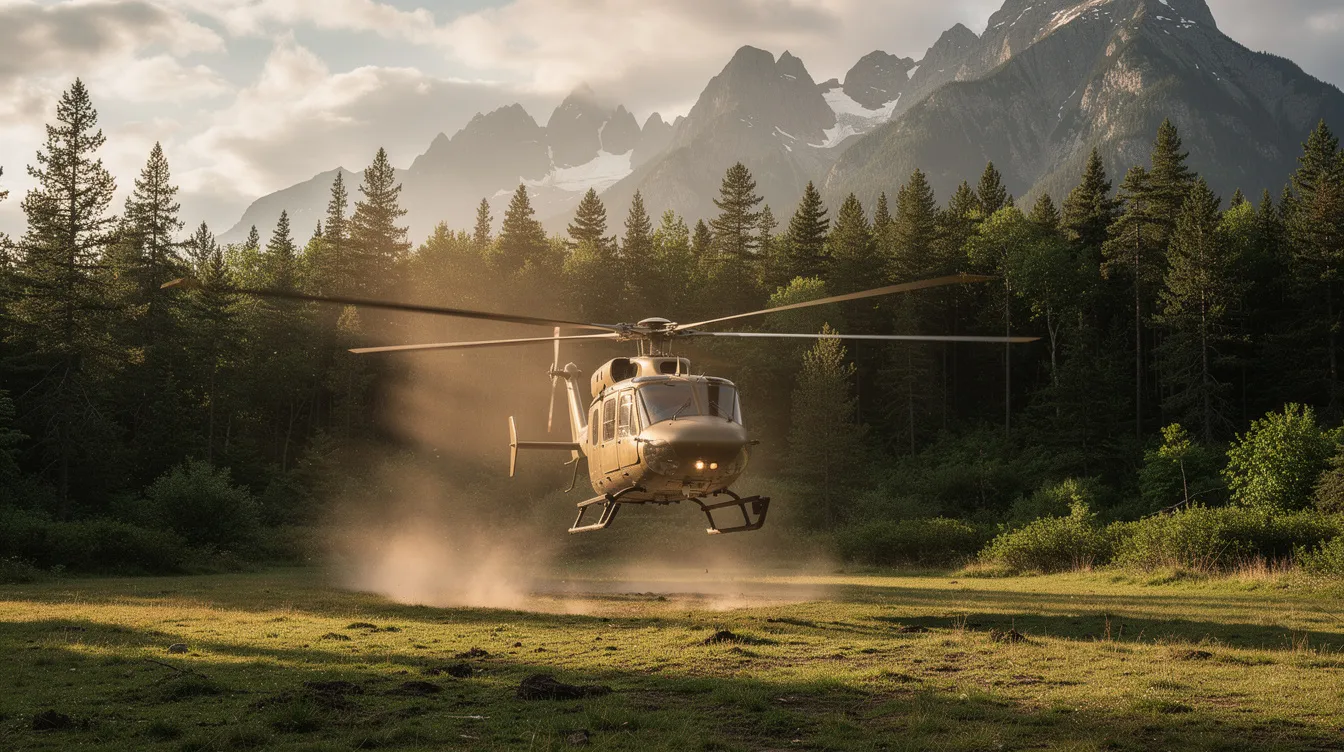
There is a critical distinction between the "search" phase (finding someone) and the "rescue/medical transport" phase (getting them to definitive care).
Public search and rescue efforts run by a sheriff's office, state SAR, or National Park Service are usually funded by taxes and donations. Public agencies in national parks generally absorb search and rescue costs, charging rescued individuals nothing.
Taxpayer-funded agencies often perform rescues free of charge specifically to avoid delaying emergency calls. The fear that a bill might follow discourages people from calling for help early, which puts both the lost person and rescuers at greater risk.
Medical transports operated by hospitals or private companies bill the patient and their insurer separately. These bills are distinct from any government SAR activity. Once medical transport begins, airlift costs can exceed $30,000.
In some states, if a rescue is triggered by reckless behavior-ignoring closures, skiing out of bounds, or hiking with blatant unpreparedness-agencies may seek cost recovery or fines.
An incident can involve both unpaid and billed components: a volunteer rescue team may locate and stabilize a subject on a mountain trail, then turn them over to a helicopter ambulance provider that later sends a substantial invoice. In Canada and parts of Europe, provincial or national policies can make SAR free but still allow billing for medical evacuation when a private aircraft or cross-border transfer is needed.
Private helicopter charter via platforms like Jettly is booked and paid like transportation, not emergency care-entirely outside of 911 or national SAR systems- and many travelers use money-saving strategies from guides on booking the cheapest private jet flights to keep non-emergency aerial travel costs manageable.
Costs and billing rules change dramatically across borders, states, and even different national parks.
In many U.S. states, county-based volunteer SAR and the National Park Service offer search and rescue at no direct cost. But private hospital helicopters still bill for medical transport regardless of location.
States like Idaho, Maine, Colorado, Oregon, and Utah have laws that allow rescue billing for individuals deemed negligent, though only a rare fraction of rescues result in invoices or fines.
New Hampshire has been able to charge for negligent rescues since 2008, with potential charges up to $9,100 per incident.
In Canadian national parks, SAR bodies generally avoid billing for genuine emergencies. However, in a 2023 incident in Jasper National Park, hikers faced $25,000 CAD fines for violating closure rules before needing rescue.
In parts of Europe (Switzerland, parts of Italy), helicopter rescues from alpine areas may be routinely billed to the person or their insurer, making rescue insurance or alpine club membership important.
Municipal policies can also matter: some city or county agencies charge for non-emergency helicopter deployments, infrastructure damage during an emergency landing, or misuse of emergency services. Travelers planning mountaineering, backcountry skiing, or remote boating should review local SAR and evacuation policies before they go-including whether a fishing license, SAR card, hiking pass, or insurance is recommended- and should research top private jet charter companies if they expect to rely on private aviation for remote access instead of public transport links.
For non-emergency extractions (for example, wanting to leave a remote lodge early due to bad weather), private helicopter charter booked through a platform like Jettly may be more straightforward than relying on public SAR, since costs are quoted in advance and tools like an airport locator for private flights make it easier to identify nearby runways or helipads.
The medical side of helicopter rescue is where the vast majority of personal bills originate.
Typical U.S. helicopter ambulance ride costs range from $20,000 to $40,000 at list prices. Insurers often negotiate lower allowed amounts, but patients can still face several thousand dollars out of pocket.
Ground ambulance ride costs run $500–$3,000 depending on distance, level of care, and jurisdiction, with potential separate bills from paramedics or emergency physicians.
About 69% of air ambulance transports are billed out-of-network, generating "surprise bills" unless protected by regulations like the No Surprises Act, which affects air ambulance billing practices in the U.S.
Regional life flight memberships (costing roughly $50–$100 per year) can cover co-pays or amounts above what insurance pays, but typically require that the membership provider's aircraft be the one dispatched. Similar programs exist across the Pacific Northwest and Rocky Mountain states.
About three-quarters of many air medical operators' flights are inter-hospital transfers, not wilderness scene calls, but costs can be similar. Patients should read the fine print on any air ambulance membership or rescue insurance to confirm coverage exclusions-some policies are not valid close to home or only cover transport by a specific provider, much like travelers using a jet card flight cost estimator must understand what is and is not included in quoted hourly rates.
Before engaging in trail running, backcountry skiing, or remote travel, check your health insurance policy for air ambulance coverage limits.
While most search and rescue services are free in the U.S., some jurisdictions reserve the right to bill in specific circumstances.
States or provinces can charge when there is clear negligence: hiking in closed areas, ignoring avalanche warnings, or venturing out with obviously inadequate gear for the forecast.
New Hampshire can charge for rescues if negligence is involved, with the law on the books since 2008. Fines can reach $9,100.
In 2023, a hiker in New Mexico faced $300,000 in restitution after causing a wildfire while lost in the backcountry.
In Jasper National Park, hikers in a 2023 incident faced $25,000 CAD fines for entering a closure and then calling for help.
Additional penalties apply for crimes committed before or during an incident: setting wildfires while signaling for rescue, falsifying an emergency call, or intentionally misleading rescuers.
Agencies may recover cleanup costs rather than rescue costs-such as DOT billing for highway cleanup after an emergency landing.
The legal standard is usually high. Honest mistakes, sudden weather changes, or simple injury on a hike rarely trigger cost recovery. Public agencies deliberately avoid a chilling effect on early calls for help. In many regions, buying a small annual SAR card or outdoor license contributes to rescue funding and reduces the likelihood of being personally billed.
Personal responsibility-planning, gear, respecting closures-remains the most reliable way to avoid fines and reduce risk to rescuers.
No one plans to need a helicopter rescue. But it is entirely possible to plan for the financial side.
Health insurance: Check coverage for air ambulance flights, including caps, deductibles, and out-of-network rules. Emergency services are treated differently in some policies. Insurance does not typically cover specialized backcountry extraction or search operations-only the medical transport portion.
Specialized rescue insurance: Sold to hikers, climbers, and travelers, these policies may cover helicopter evacuation from remote areas to the nearest hospital.
Regional life flight memberships: Programs in the Pacific Northwest, Rocky Mountain states, and elsewhere can limit or eliminate out-of-pocket costs for flights operated by the membership provider, just as dedicated private jet memberships can smooth out costs for frequent charter users.
Travel insurance add-ons: Include emergency evacuation back to a home hospital or to another country, involving both helicopters and fixed-wing aircraft. Essential for international trips to remote destinations where you might otherwise rely on private jets for international travel if commercial routes are limited.
Terms like "rescue," "medical evacuation," and "repatriation" can mean different benefits. Confirm whether backcountry helicopter rescue, hospital transfer, and long-distance transport are each covered. Some emergency beacons and satellite messengers offer optional rescue coverage, but these often reimburse only certain providers or types of missions.
For non-emergency extractions or urgent relocations (such as repositioning a stable patient between cities), private charter booked through a broker like Jettly can sometimes be a predictable alternative with firm quotes and the ability to accommodate medical staff, similar in budgeting predictability to fixed-rate jet card programs used for business travel.
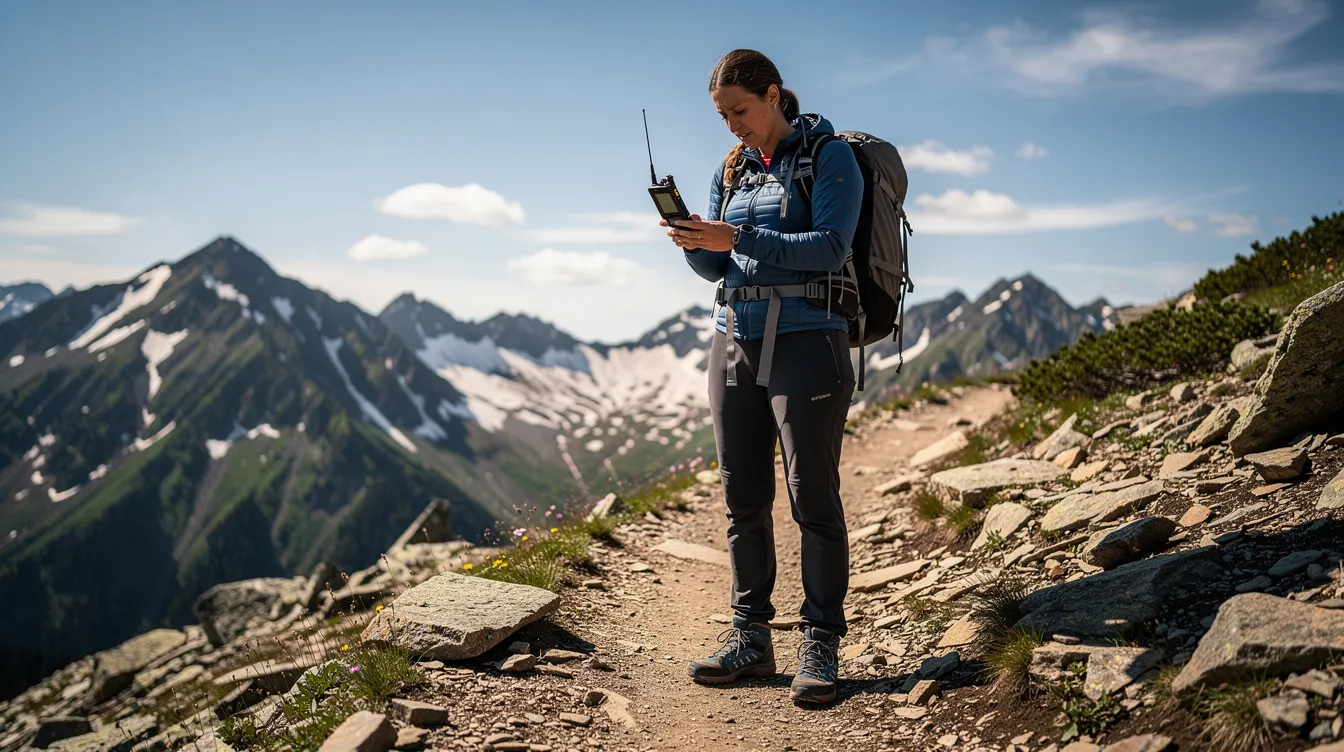
Every avoided helicopter rescue is safer for both the person and the rescuers-and cheaper for everyone.
Plan your route: Check trail conditions, weather, avalanche forecasts, regulations, and closures before you go.
Pack essential gear: Carry the ten essentials, navigation tools, extra layers, a first-aid kit, and charged communication devices with a backup battery.
Share your itinerary: Tell a trusted contact your route and expected return time.
Carry a way to call for help: Bring a satellite communicator or PLB when traveling beyond cell coverage.
Turn back when conditions worsen: Stop or change plans when weather deteriorates, daylight is running out, or a team member is struggling.
Choose a route that fits your group: Match the route's difficulty to the slowest and least experienced member.
Calling for help as soon as a situation becomes serious-rather than waiting hours until it becomes critical-can shorten the mission, lower risk to the rescue team, and sometimes avoid more complex and expensive helicopter involvement. In high-use regions, supporting local SAR teams through donations or volunteering helps maintain free or low-cost SAR services for everyone.
Jettly is a digital private aviation platform and charter broker, not an emergency service or search and rescue provider. The distinction matters.
Jettly connects travelers to a global network of helicopters, turboprops, and jets for on-demand private flights, using transparent, upfront pricing instead of post-event medical billing, and appears in many guides to the charter airlines and private aviation market as a technology-forward platform.
Private helicopter charter via Jettly can assist with time-critical but non-emergency needs: urgent business trips, family relocations, or reaching remote lodges and islands without depending on public SAR, and travelers can further reduce per-seat costs by buying a seat on shared private jets or leveraging empty-leg deals when flexibility allows.
For patients who are stable but need quick transfer between cities or countries, Jettly can help arrange suitable aircraft types-light jets, midsize jets, or helicopters-configured to carry medical staff and equipment, coordinated through certified operators, positioning the platform as a flexible alternative to NetJets-style programs for occasional flyers.
The platform's instant pricing tools and large aircraft inventory allow users to compare options by cost, range, baggage capacity, and runway or helipad access, and in some cases to share private jet flights and empty seats to offset charter costs.
All flights sourced through Jettly are operated by third-party certified air carriers with appropriate regional safety oversight. Jettly focuses on simplifying the booking and comparison process, much like established providers such as NetJets in the private aviation industry have done for fractional ownership. Those who often operate in remote or hard-to-reach areas might combine proper rescue insurance with planned private charter options, so they are covered in a genuine emergency but also have predictable travel choices for non-emergency situations.
Ready to explore instant helicopter and jet quotes for planned travel? Learn more at https://www.jettly.com.
These questions go beyond what the main sections covered, with concrete answers referencing typical cost ranges, legal nuances, and practical next steps.
In many systems, once a helicopter is dispatched, some costs may accrue even if the patient later refuses transport-but policies vary by provider and jurisdiction. Refusing medically recommended transport carries health risks and potential insurance complications, so decisions should be made in consultation with on-scene medics when possible.
If the mission was initiated by a volunteer search and rescue team with no medical helicopter leg, there may be no bill regardless of refusal. Contact local EMS or hospital billing departments about their policies if you have concerns about potential costs ahead of time.
A complex incident can involve several separate bills: one from an air ambulance provider, one from a ground ambulance service, and one from a hospital, while public SAR agencies usually do not bill. Different organizations recover costs for different parts of the response (medical care vs. transportation vs. infrastructure cleanup), so there is no true "double billingfor the same service-but many line items can accumulate.
Coordination centers like the Coast Guard or Air Force rescue coordination generally do not bill individuals even when they direct private assets to respond. If you face multiple invoices, contact providers and insurers early, as many have financial assistance programs or can negotiate reduced payments.
Some alpine clubs and outdoor organizations include limited rescue or evacuation benefits, but coverage varies widely in amount, geography, and types of missions covered. Members should read policy documents carefully to see whether helicopter search and rescue, only medical evacuation, or just reimbursement after the fact is included.
In some European alpine regions, membership in local mountaineering clubs is strongly encouraged because it helps defray helicopter rescue costs. Combining such memberships with broader travel or health insurance is wise if planning major expeditions or frequent cross-border trips.
Check the official website of the National Park Service or local land management agency for SAR and rescue billing policies before a trip. Contact local sheriff's offices, mountain rescue teams, or tourism boards-they often publish guidance on whether rescues are free and under what conditions fines or cost recovery might apply.
Guidebooks, reputable hiking forums, and local outdoor shops can also provide updated, location-specific advice. Always verify informal information with an official source, since policies can change after high-profile incidents.
For planned or urgent but non-emergency trips-business travel, family relocations, or reaching remote properties-private charter offers predictable pricing and scheduling without involving emergency SAR resources.
Jettly provides a global digital marketplace for charter flights, including helicopters and jets, allowing users to see instant pricing and compare aircraft across comfort, range, and cost, or to follow guides on getting a seat on a private jet easily when they only need a single seat instead of an entire aircraft. Travelers can use the platform to arrange point-to-point flights, multi-leg itineraries, or last-minute travel when commercial options are limited.
Most public search-and-rescue missions in the U.S. do not charge the person rescued. Costs can arise when a private air ambulance transports someone to a hospital, and those bills may reach tens of thousands of dollars. The final amount depends on distance, aircraft, weather, insurance, and local billing rules.
Specialized backcountry extraction may not be covered by standard health insurance, so check policy details and any rescue insurance options or regional rescue membership before traveling. Learn more about helicopter charter costs for planned flights. If you need help, call promptly; fear of a bill should not delay an emergency call.
For planned, non-emergency travel, Jettly offers a separate way to compare charter aircraft and pricing. Jettly is a charter broker, and all flights are operated by appropriately certified third-party carriers. Explore flight options or request a quote at https://www.jettly.com.
Share this post:
Jay Franco Serevilla
Nov 18, 2026
|
5
min read
Discover tips and trends in the industry.
5
min read
What Is the Best Fighter Plane in the World?
The best fighter plane in the world is often debated, with the F-22 Raptor frequently cited for its air superiority capabilities. However, the F-35 Lightning II excels in multirole operations, while emerging contenders like the J-20 and Su-57 showcase advanced technologies. Ultimately, the 'best' fighter depends on mission requirements and operational context.
Read More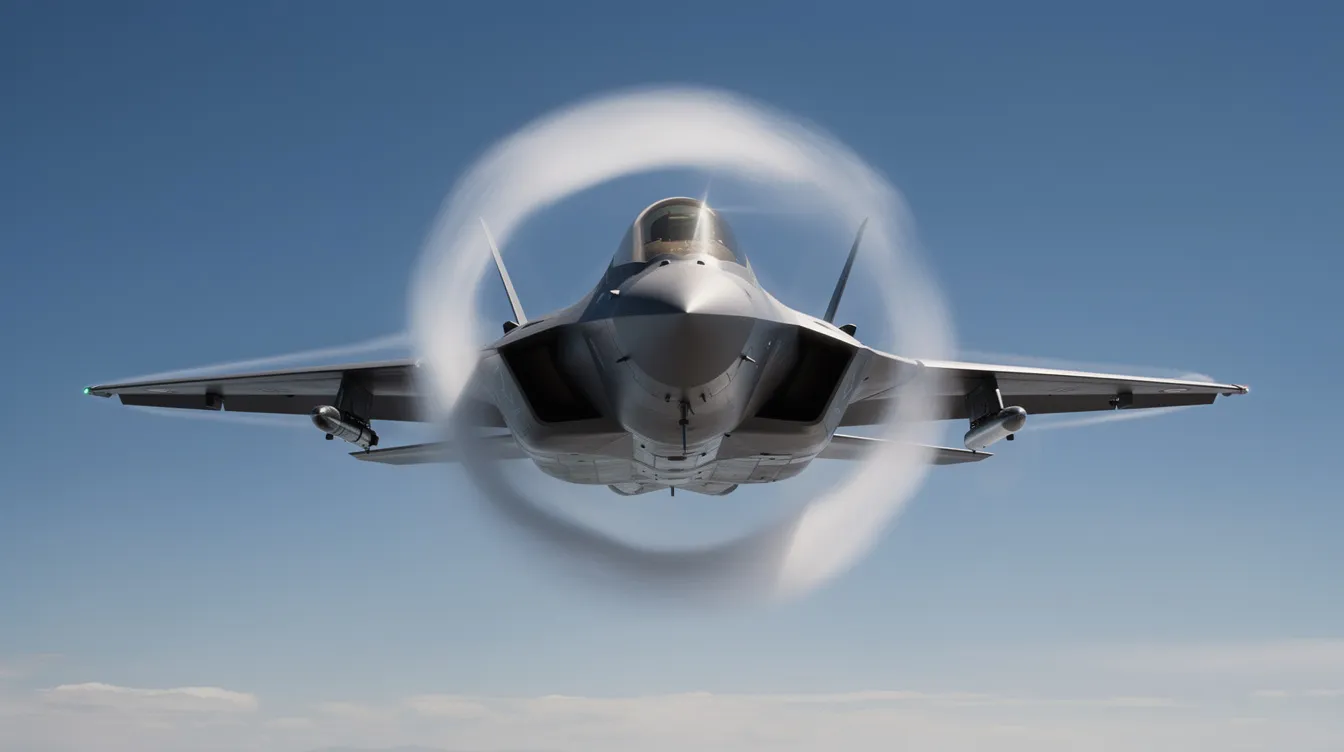
5
min read
How Fast Is Mach 10 Speed? (Top Gun: Maverick, Hypersonic Flight & Reality)
Mach 10 speed, approximately 7,670–7,826 mph, is firmly in the hypersonic realm, far beyond any crewed aircraft capabilities. While films like Top Gun: Maverick depict thrilling Mach 10 flights, no human has ever flown at this speed, with the current record being Mach 6.7. Real-world aviation prioritizes safety and efficiency over extreme speeds, focusing on practical travel solutions.
Read MoreStay updated with our latest insights and tips to elevate your journey with us.
MEMBERSHIPS AND ASSOCIATIONS



© 2026 Jettly Inc. All rights reserved.
Disclaimer: Jettly operates as a charter broker, offering access to a global digital jet charter marketplace. Jettly is not a direct air carrier and does not own or operate aircraft. All advertised flights are conducted by third-party air carriers that are fully licensed and hold the appropriate Part 135 or Part 121 certifications issued by the Federal Aviation Administration (FAA) or equivalent regulatory authorities under U.S. or foreign law. Jettly complies fully with the U.S. Department of Transportation's Part 295 and Part 298 Charter Broker regulations. Jettly does not carry additional liability insurance. Passengers are covered by aircraft operator insurance. TICO: 50023770


