



Login
Get Instant Pricing On 23,000+ Aircraft

>
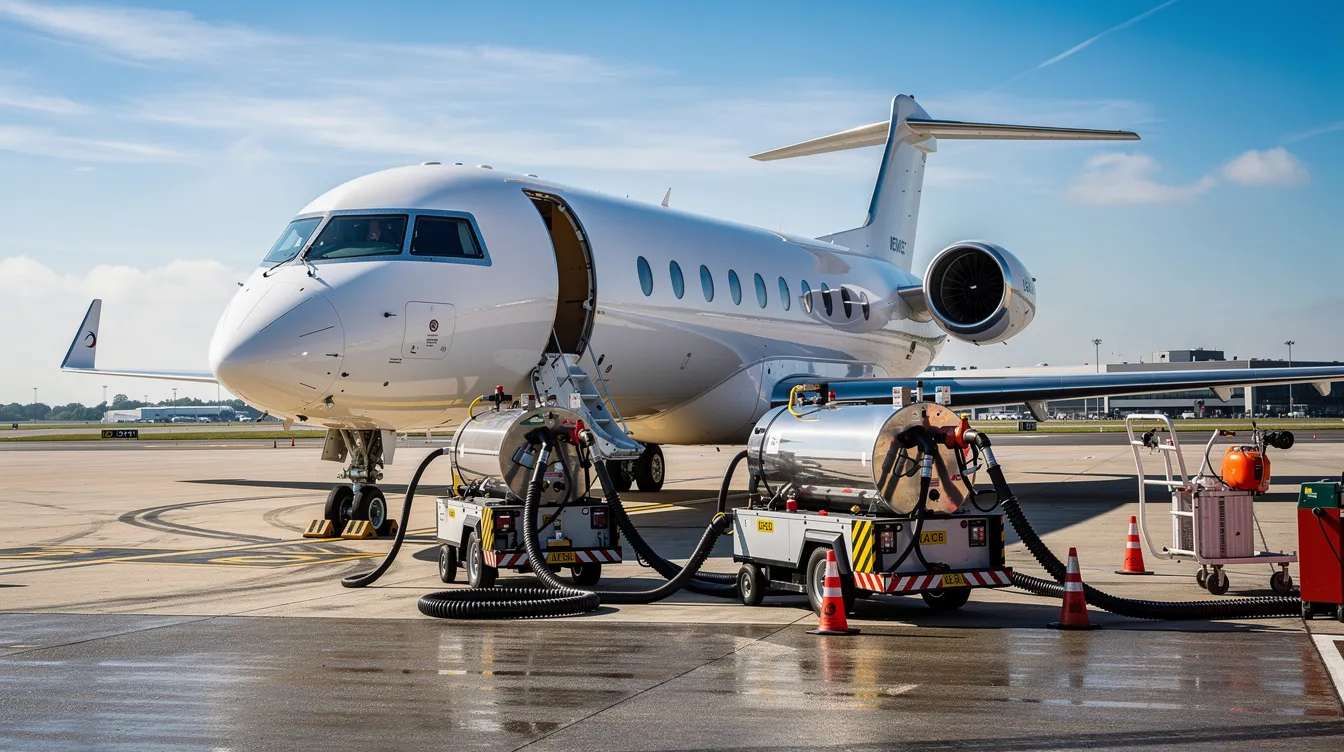
Jet A-1 is a kerosene-based aviation turbine fuel with a maximum freeze point of -47°C, making it the dominant jet fuel for international turbine-powered flight.
Strict standards (ASTM D1655 and DEF STAN 91-091) govern Jet A-1 properties worldwide, ensuring consistent performance whether a passenger boards in London, Dubai, or Singapore.
Jet A, Jet A-1, and Jet B are the three main civil jet fuels; aviation gasoline (AVGAS) serves a different role for piston engine planes.
As a charter broker, Jettly connects customers with certified operators who source fuel meeting all international quality and safety requirements.
Fuel type affects aircraft range, routing, and charter pricing; Jettly's instant-quote marketplace lets travelers compare these variables before booking.
"Avtur" is shorthand for aviation turbine fuel, the kerosene-grade fuel burned in gas turbine engines that power jet aircraft and turboprops. Jet A-1 is the most widely used grade of avtur for civilian aviation outside the United States, including the business jets available through Jettly's charter platform.
Jet A-1 is a highly refined kerosene, straw colored to colorless, designed for turbine engines rather than the piston-propeller engines found in smaller general aviation aircraft. Its key properties, including energy content of roughly 42.8 MJ/kg, a minimum flash point of 38°C, and a maximum freezing point of -47°C, directly affect how far a jet aircraft can fly, how much payload it can carry, and which routes remain viable in cold climates.
The aviation industry uses Jet A-1 due to its availability across international markets and its standardized international specification under frameworks like ASTM D1655 and DEF STAN 91-091; readers seeking a broader overview of kerosene and specialty grades can explore different types of jet fuel, including Jet A, Jet A-1, Jet B, and TS-1.
Understanding Jet A-1's physical makeup helps explain why it is trusted for long-range private and commercial aviation operations.
Jet A-1 is a kerosene-type hydrocarbon mixture with carbon numbers ranging from C8 to C16, produced during the refining process of crude oil middle distillates. These different hydrocarbons give Jet A-1 a boiling point range of roughly 150°C to 250°C, placing it between gasoline and diesel in terms of volatility.
The key properties that define Jet A-1 include:
Density at 15°C: 775 to 840 kg/m³, which determines energy per volume and affects weight-based fuel burn calculations.
Flash point: minimum 38°C (100°F), making it less flammable than gasoline during handling and storage.
Freezing point: maximum -47°C (-52.6°F), the temperature at which wax crystals form from paraffin carbon atoms in the fuel and can clog an aircraft's fuel inlet pipes and filters.
Smoke point: a combustion quality indicator measured per ASTM D1655.
Net heat of combustion: minimum ~42.8 MJ/kg, with typical values around 43.1 MJ/kg.
Thermal stability: tested via JFTOT to confirm the fuel resists breakdown at high temperatures inside jet engines.
Performance characteristics of Jet A-1 include low-temperature fluidity and reliable combustion across a wide range of operating conditions. Additives such as static dissipator agents, corrosion inhibitors, and anti-icing compounds are blended in to manage risks like static discharge and ice formation in fuel systems.
Jet A, Jet A-1, and Jet B are the three main civil jet fuel types. Most international private jet flights chartered through Jettly will burn either Jet A-1 or Jet A, depending on regional supply, using a global fleet of private charter aircraft across all major categories.
Jet A is the primary difference in U.S. fuel supply. It shares most physical characteristics with Jet A-1 but has a higher freeze point maximum of -40°C, which makes it slightly less suitable for extremely low temperatures encountered on polar or high-altitude long-haul routes. Jet A is primarily available in the United States, where domestic routes rarely demand the enhanced cold weather performance of Jet A-1.
Jet A-1 is the international standard. Its lower freezing point of -47°C and mandatory antistatic additive make it the preferred choice outside the United States. According to the eFlight Registry, 280 airports in 45 U.S. states also supply Jet A-1, reflecting its growing domestic presence. Jet A-1 is widely available outside the U.S. and suitable for most turbine-engined aircraft.
Jet B is the only other jet fuel in common civil use. It is a wide-cut fuel blending kerosene with gasoline-range naphtha components. Jet B has better cold-weather fluidity but is more volatile than Jet A-1, with a freezing point around -60°C and a lower flash point. It sees aviation use mainly in very cold climates like northern Canada and Siberia, and is rarely encountered in business aviation.
The main differences at a glance:
|
Fuel grade |
Maximum freeze point |
Typical availability |
Practical distinction |
|---|---|---|---|
|
Jet A |
-40°C |
Primarily the United States |
Common U.S. kerosene-grade turbine fuel |
|
Jet A-1 |
-47°C |
Widely available outside the United States |
International standard with a required antistatic additive |
|
Jet B |
Around -60°C |
Limited, mainly very cold regions |
Better cold-weather fluidity, but more volatile and harder to handle |
Flash point: Jet A and Jet A-1 share a 38°C minimum; Jet B is lower due to higher volatility.
Freeze point: Jet A at -40°C; Jet A-1 at -47°C; Jet B around -60°C.
Geographic availability: Jet A dominates the U.S.; Jet A-1 covers most other markets; Jet B is confined to Arctic regions.
Typical use: Jet A and Jet A-1 power commercial aircraft and business jets of all sizes; Jet B is a niche cold-climate option.
Harmonized fuel specifications let aircraft refuel safely at thousands of airports without engine recalibration. Three overlapping frameworks do most of the work.
ASTM D1655 is the primary U.S. specification for aviation turbine fuels. Jet A-1 meets ASTM specification D1655, which sets limits on density, flash point, freezing point, sulfur (max 0.30% by mass), aromatics (max 25% by volume), and distillation behavior.
DEF STAN 91-091 is the UK Ministry of Defence standard governing Jet A-1 in Europe and many other regions. It carries the NATO code F-35 designation and includes tighter requirements in areas such as electrical conductivity and lubricity. The Joint Inspection Group (JIG) oversees quality assurance in jointly operated systems at airports where multiple airlines share fuel infrastructure, using the AFQRJOS checklist as a "common denominator" that merges the strictest limits from both ASTM and DEF STAN.
Other regional standards exist. TS-1, used primarily in Russian and CIS states, is compliant with GOST 10227 standards. TS-1 has a flash point of 28°C minimum and a freezing point below -50°C, making it suitable for subsonic aircraft operating in harsh continental winters. China's RP-3 grade is broadly comparable to Jet A-1. For private jets chartered via Jettly, passengers will primarily encounter ASTM and DEF STAN compliant fuels at a wide range of global airports accessible through Jettly's airport locator tools.
Freeze point is the primary difference between Jet A and Jet A-1, and it matters most on high-altitude, transcontinental, and polar routes where outside air temperatures at cruise can drop below -56°C.
Jet A-1's -47°C freeze point provides a safety margin against fuel waxing and filter blockage at those altitudes. If wax crystals form, they can restrict flow through an aircraft's fuel inlet pipes and filters, starving engines of fuel. Aircraft manage this risk with fuel heaters that warm fuel before it reaches the engine, recirculation between tanks, and strict adherence to minimum fuel temperature limits specified in the flight manual.
Passenger aircraft and business jets flying routes such as London to Dubai, New York to Paris, or Toronto to Vancouver typically cruise between 35,000 and 45,000 ft, where Jet A-1's cold flow properties are critical for uninterrupted engine operation. Operators in Jettly's network calculate minimum fuel temperature along each route segment, selecting cruising levels that maintain safe margins above the fuel's freezing point.
IATA guidance material, updated in 2026, addresses scenarios where Jet A may need to substitute for Jet A-1 at supply-disrupted locations. Crews must confirm the aircraft's certification permits the alternate grade and that ambient conditions along the route do not demand a lower freezing point.

Aviation fuel is a broad category that covers kerosene-based jet fuel for turbine engines and aviation gasoline for spark-ignition piston engines. These are fundamentally different products.
AVGAS 100 and 100LL (low lead) are leaded aviation gasoline grades meeting ASTM D910 and DEF STAN 91-90. AVGAS is a high-octane fuel used for piston-engine aircraft and contains lead (tetraethyl lead). It carries a much higher octane rating than road vehicles' pump gasoline and is typically dyed green or blue. AVGAS powers sports aircraft, flight training fleets, and legacy piston-engine planes.
Jet A-1 is not interchangeable with AVGAS. The two have different characteristics in volatility, boiling point range, and additive chemistry. Misfuelling, such as putting AVGAS into a turbine-powered jet, is a serious safety hazard that can cause improper combustion and fire. Airports prevent this through color-coded hoses, different nozzle diameters, and strict labeling mandated by JIG and IATA.
For private jet charters arranged through Jettly, the operating carrier and ground handlers follow standardized fueling protocols, while customers can also review how Jettly keeps private jet charter pricing affordable across different routes and aircraft types. Passengers never need to interpret fuel types themselves.
Jet A-1 is designed for gas-turbine engines used in commercial passenger and cargo flights, regional turboprops, and the full spectrum of business jets. It is among the most commonly used fuels in aviation worldwide.
Aircraft categories that burn Jet A-1 include:
Light jets: Cessna Citation CJ3+, Phenom 300E
Midsize jets: Hawker 800XP, Citation XLS+
Super-midsize: Gulfstream G280, Praetor 500
Large-cabin / long-range: Gulfstream G650, Bombardier Global 7500
Turboprops: Pilatus PC-12, King Air 350
Jet A-1's energy density of roughly 42 to 43 MJ/kg supports long non-stop legs. Routes like New York to Miami (~1,750 km), Los Angeles to Las Vegas (~370 km), or London to Nice (~1,350 km) are well within the range of even light jets with standard fuel loads. For choosing the right aircraft category, fuel capacity and burn rate are key variables, and travelers can benefit from understanding how individual private jet flight costs are built from fuel, time, and aircraft type.
Jet A-1 must remain clear and free from contaminants to ensure safe operation. Quality is monitored at every step: refinery testing, pipeline or truck transport, airport tank farm sampling, and final checks at the refueling truck. Jettly is a charter broker connecting clients to licensed air carriers; those operators are responsible for sourcing certified Jet A-1 or Jet A fuel that meets all regulatory and manufacturer requirements.
Jet fuel is one of the largest variable operating costs for private flights. When crude oil prices shift, Jet A-1 prices move with them, and charter quotes adjust accordingly, which is why many travelers use a jet card flight cost estimator to model one-way pricing on common routes.
Charter pricing is built from an hourly aircraft rate that includes expected fuel burn based on aircraft type, route distance, altitude, and payload. All calculations assume the use of standard jet and aviation fuel (Jet A or Jet A-1). Fuel surcharges sometimes appear on quotes during volatile markets, particularly on fuel-intensive legs like transatlantic crossings. For a detailed breakdown, see Plane Charter Prices in 2026.
Customers can use Jettly's charter cost estimator to compare how different aircraft categories consume fuel on the same city pair or lock in predictable hourly rates through Jettly's jet card programs for frequent private flyers. A light jet burns less fuel per hour than a heavy jet, but a heavy jet may complete a longer leg nonstop, avoiding the cost of a fuel stop. Efficient aircraft and optimized routing reduce total fuel consumption, delivering cost savings and lower emissions without compromising comfort.
Traditional kerosene-based jet fuel, including Jet A-1, is carbon-intensive, and the aviation sector is under pressure to reduce lifecycle emissions.
Sustainable aviation fuel (SAF) can be blended with Jet A-1 to reduce emissions. Produced via pathways like Fischer-Tropsch synthesis or HEFA (hydroprocessed esters and fatty acids), SAF blends up to 50% with conventional Jet A-1 under ASTM D7566. Once blended and tested, the resulting fuel is re-identified as Jet A or Jet A-1 under D1655, meaning it meets the same freeze point, flash point, and energy specifications as conventional fuel.
Studies cite up to roughly 80% lifecycle greenhouse gas reduction for certain bio-based SAF pathways, though availability and price remain constraints across most of the private aviation network. Military-grade fuels have also been tested with synthetic blends; the United States government has flown aircraft carriers' support craft and transport aircraft on partial SAF blends.
Environmentally conscious travelers can ask operators about SAF availability on specific routes, choose more fuel-efficient aircraft, or explore carbon offset programs to reduce their overall impact while applying practical tips for booking the most affordable private jet flights without sacrificing efficiency.
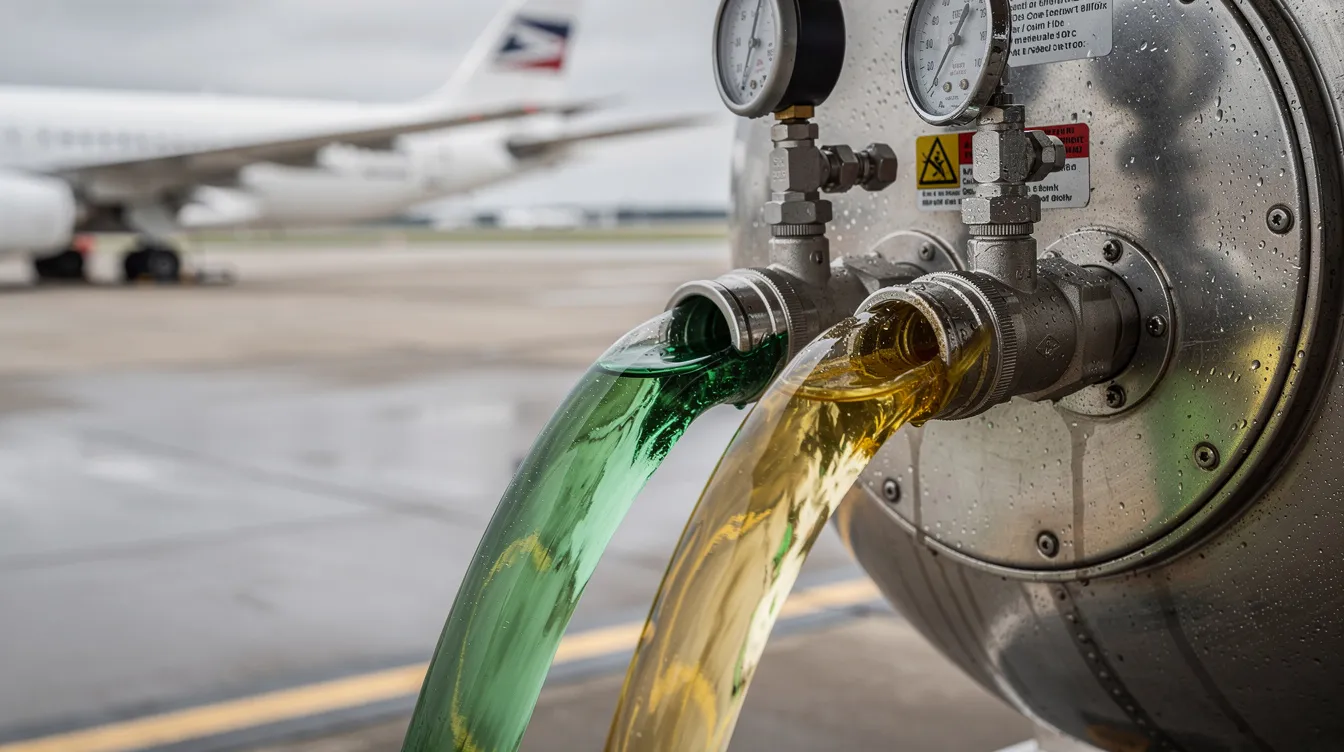
Passengers rarely see the fuel itself, but its quality and handling influence safety, reliability, and comfort on every flight Jettly arranges.
Jettly partners only with third-party air carriers that hold appropriate air operator certificates and follow national aviation authority regulations covering maintenance, fueling procedures, and crew training. These operators rely on reputable aviation fuel suppliers, often aligned with JIG and IATA standards, to provide Jet A-1 or Jet A meeting ASTM and DEF STAN specifications along with strict contamination controls.
Fuel reliability translates directly to passenger experience: fewer diversions, predictable range performance, and efficient turnarounds help business travelers keep tight schedules, and families enjoy smoother trips, especially when paired with dedicated in-flight catering services like Jettly Eats for private jets.
Below are answers to common traveler questions about jet fuel, safety, and booking, along with context that complements a detailed guide to buying a single seat on a private jet rather than an entire aircraft.
Most turbine-powered private jets and turboprops use Jet A or Jet A-1. The specific grade depends on regional supply: Jet A dominates the U.S., while Jet A-1 is the standard elsewhere. Some very light aircraft with piston engine configurations run on aviation gasoline instead, but these are uncommon for typical Jettly clients. The operating carrier always selects the correct approved fuel per the aircraft manufacturer's requirements, while travelers can focus on the many easy ways to secure a seat on a private jet, from memberships to shared flights.
Passengers cannot typically choose between Jet A and Jet A-1; local supply determines the grade. Where sustainable aviation fuel blends are available, some operators accommodate requests, often at a premium, and cost-conscious travelers may also consider sharing private jet flights and crowdsourcing seats to lower their per-passenger expense. Alternatives for climate-conscious travelers include choosing more fuel-efficient aircraft, grouping trips efficiently, or purchasing carbon offsets, and some may also favor discounted empty leg flights that reuse repositioning segments instead of adding new trips.
Fuel quality is verified at multiple points: refinery testing, transport sampling, airport tank farm checks, and refueler truck inspections. Ground crews perform visual "clear and bright" inspections and use laboratory equipment to confirm density, water content, and particulate levels. These procedures are embedded in the safety management systems of every certified operator Jettly works with.
Passengers will not notice a direct difference between Jet A and Jet A-1, as both produce similar combustion behavior in turbine engines. Cabin noise and comfort depend on aircraft design factors like engine mounting, insulation, and pressurization, and some travelers weigh these comfort factors alongside comparisons of Jettly with alternatives like NetJets and other fractional ownership models. Choosing newer or larger-cabin aircraft through Jettly's platform has a bigger impact on comfort than fuel grade.
Consider nonstop range, typical fuel burn, and airport runway length when selecting an aircraft for routes such as New York to Miami or London to Ibiza, keeping in mind the key components that drive the cost of a single private jet flight. Jettly's instant-quote tools let travelers compare light jets, midsize jets, heavy jets, and turboprops on the same route, and those who regularly refer new flyers can also benefit from Jettly's ultra-high-ticket affiliate program for earning commissions. While the underlying jet fuel is broadly similar across other fuels in the kerosene type category, aircraft efficiency and tank capacity determine how many stops are needed.
Avtur Jet A-1 is a standardized kerosene-based fuel that supports reliable turbine-engine performance across international routes. Its maximum freeze point of -47°C, defined by ASTM D1655 and DEF STAN 91-091, and broad availability help operators plan flights in varied climates. Travelers do not need to manage fuel selection themselves, but fuel prices, aircraft efficiency, and route requirements can influence charter cost and scheduling.
Learn more about Jet A-1 fuel properties and private jet charter costs. Jettly is a charter broker that helps travelers compare aircraft and request instant quotes through a broad marketplace. Flights are operated by properly certified third-party carriers, which select fuel approved for each aircraft and route.
Share this post:
Jay Franco Serevilla
Nov 18, 2026
|
5
min read
Discover tips and trends in the industry.
5
min read
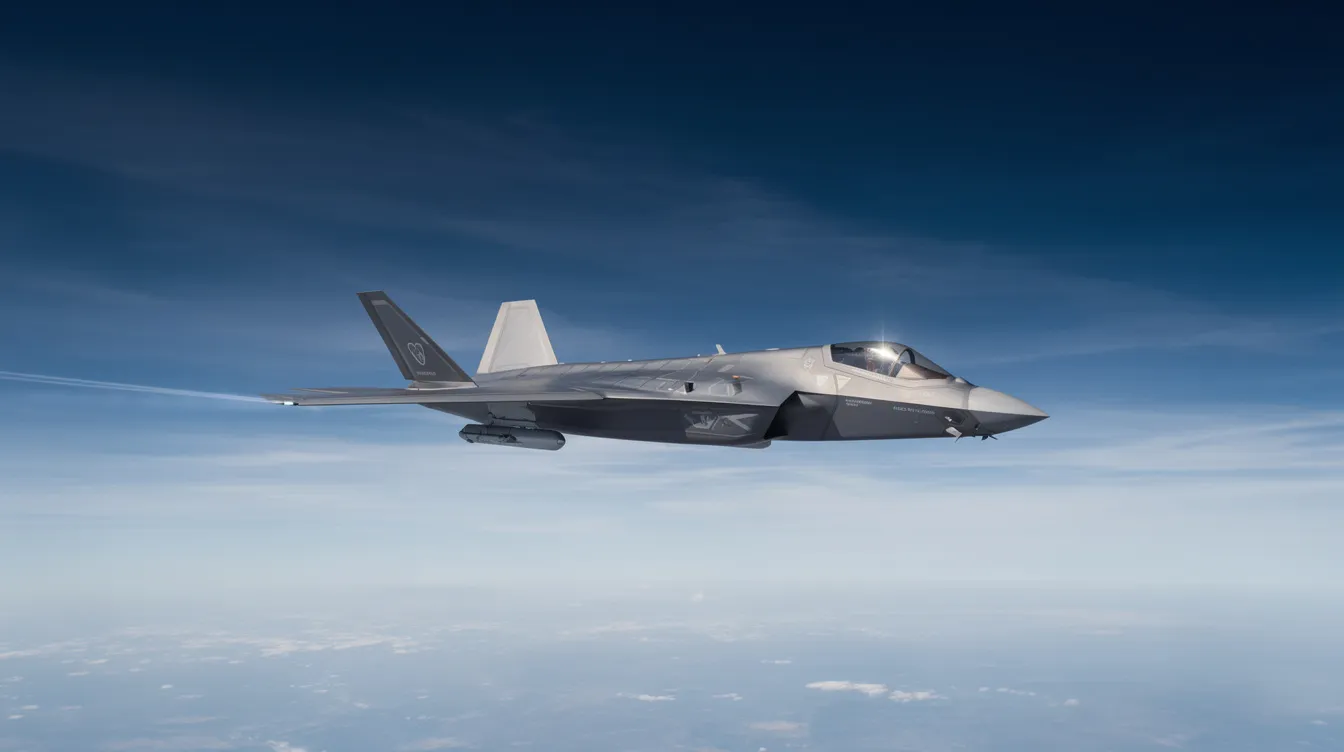
What Is the Best Fighter Plane in the World?
The best fighter plane in the world is often debated, with the F-22 Raptor frequently cited for its air superiority capabilities. However, the F-35 Lightning II excels in multirole operations, while emerging contenders like the J-20 and Su-57 showcase advanced technologies. Ultimately, the 'best' fighter depends on mission requirements and operational context.
Read More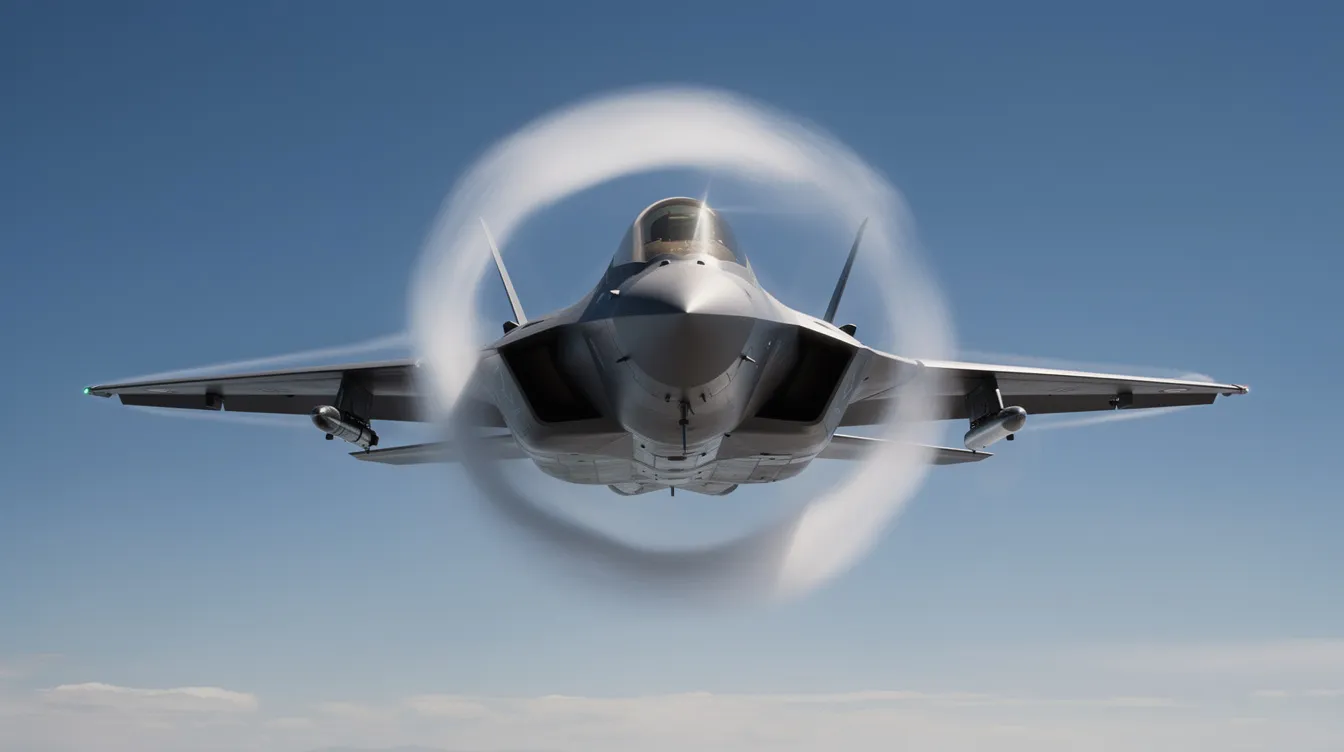
5
min read
How Fast Is Mach 10 Speed? (Top Gun: Maverick, Hypersonic Flight & Reality)
Mach 10 speed, approximately 7,670–7,826 mph, is firmly in the hypersonic realm, far beyond any crewed aircraft capabilities. While films like Top Gun: Maverick depict thrilling Mach 10 flights, no human has ever flown at this speed, with the current record being Mach 6.7. Real-world aviation prioritizes safety and efficiency over extreme speeds, focusing on practical travel solutions.
Read MoreStay updated with our latest insights and tips to elevate your journey with us.
MEMBERSHIPS AND ASSOCIATIONS



© 2026 Jettly Inc. All rights reserved.
Disclaimer: Jettly operates as a charter broker, offering access to a global digital jet charter marketplace. Jettly is not a direct air carrier and does not own or operate aircraft. All advertised flights are conducted by third-party air carriers that are fully licensed and hold the appropriate Part 135 or Part 121 certifications issued by the Federal Aviation Administration (FAA) or equivalent regulatory authorities under U.S. or foreign law. Jettly complies fully with the U.S. Department of Transportation's Part 295 and Part 298 Charter Broker regulations. Jettly does not carry additional liability insurance. Passengers are covered by aircraft operator insurance. TICO: 50023770


